Specializing in the field of yarn dyeing and finishing for 20 years. Contact us for customization
Please Choose Your Language

Views: 0 Author: Site Editor Publish Time: 2026-06-08 Origin: Site
Modern apparel brands face a strict mandate today. Athletic wear must perform flawlessly under physical stress. It must also deliver a premium, versatile aesthetic for everyday lifestyle wear. Finding a single material to balance rugged gym performance and high-end streetwear appeal is challenging. We introduce Melange Yarn not as a simple fabric type. Instead, view it as a specialized pre-spinning manufacturing process.
This article provides product developers and merchandisers with an evidence-based framework. You will learn how to evaluate, blend, and specify these materials for athleisure lines. We will also explore crucial pattern-making caveats. Properly applying this process bridges the gap between technical activewear and everyday comfort.
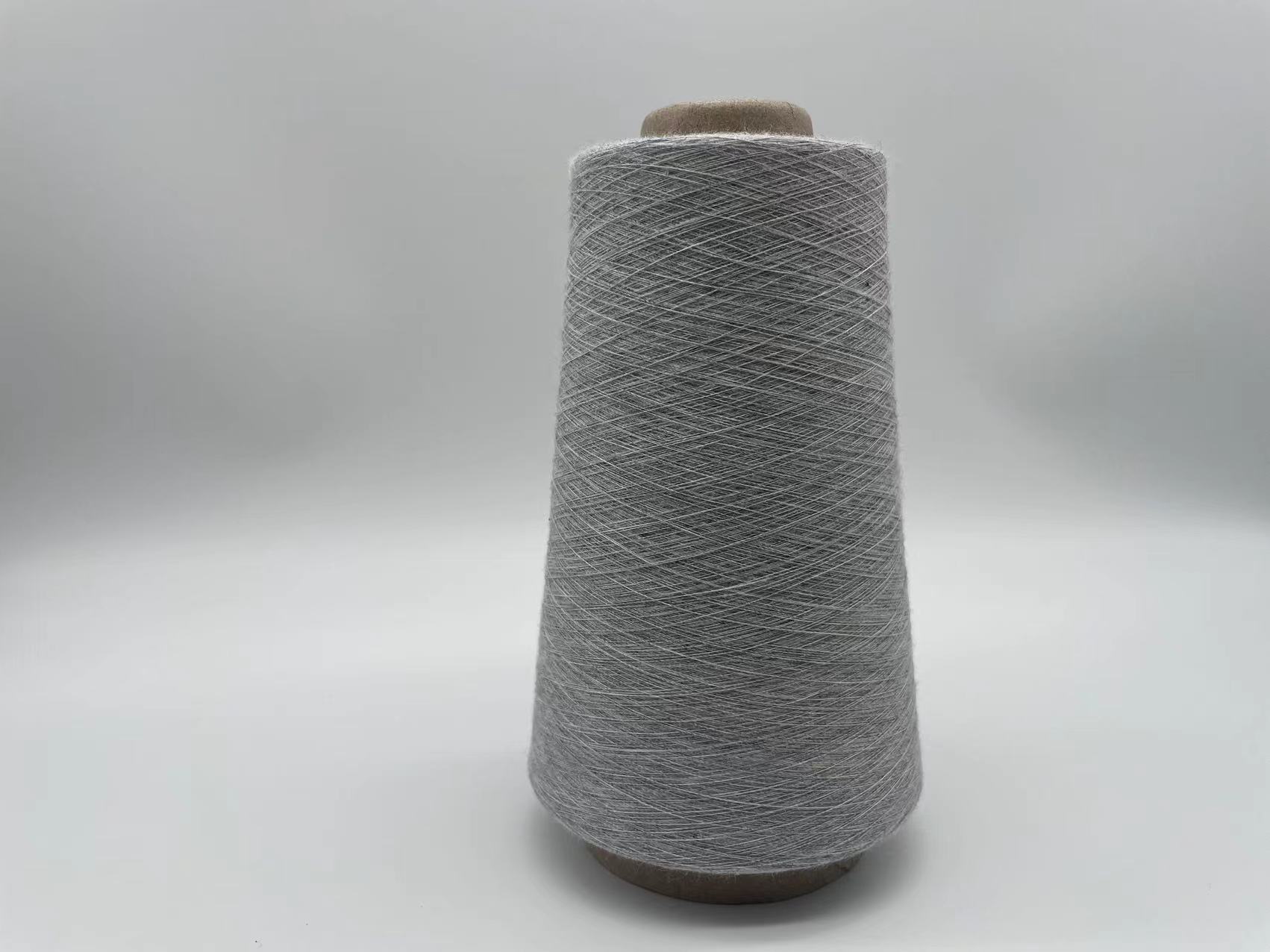
Melange yarn achieves its signature "heathered" look by blending pre-dyed and raw fibers before the spinning process, eliminating the need for heavy post-weave chemical treatments.
The fiber-level dyeing method inherently locks in color, offering superior fade resistance against high-frequency athletic washing routines.
By transitioning to melange fiber-level dyeing, brands can realize approximately 50% reductions in both water consumption and wastewater output compared to traditional piece-dyeing.
Implementation Warning: Melange blends typically exhibit lower horizontal stretch than solid-color equivalents; production teams must adjust pattern ease to accommodate this mechanical difference.
The manufacturing industry strictly separates this process from traditional piece-dyed fabric production. Standard apparel dyeing usually occurs after the factory weaves the fabric. Factories submerge whole fabric rolls into large dye vats. By contrast, creating this signature look requires mechanical intervention much earlier in the production cycle. Manufacturers select un-dyed fibers and top-dyed fibers. They mechanically blend them at precise ratios before spinning them into a single continuous thread. A common ratio dictates 60% dyed fibers mixed against 40% raw fibers.
This mechanical blending fundamentally alters the visual output. The varied thickness and color integration create a natural two-tone depth. Consumers often describe this as a heathered or speckled appearance. Surface printing simply cannot replicate this organic, three-dimensional texture. The color lives inside the core structure rather than sitting on top of it.
Furthermore, this structural difference drives a massive reduction in chemical usage. The yarn achieves its visual texture organically during the spinning phase. Consequently, manufacturers often bypass harsh chemical finishing treatments. Standard activewear relies on these chemical baths to soften stiff, piece-dyed fabrics. Skipping this step maintains a naturally softer hand-feel. This organic softness proves ideal for skin-tight activewear, reducing the risk of chafing during intense movement.
The textured, multi-tonal look instantly elevates basic clothing silhouettes. It moves garments away from the flat, plasticky appearance dominating standard synthetic activewear. Consumers expect modern gym wear to transition seamlessly into social environments. The speckled depth provides a premium visual upgrade. It signals high-end lifestyle apparel rather than basic athletic utility gear.
Beyond aesthetics, this multi-tonal pattern delivers significant functional value during workouts. The abstract, marbled design acts as natural camouflage. It inherently disguises workout sweat patches, chalk dust, and minor stains far better than solid colors. A solid light-blue shirt highlights moisture immediately. A heathered light-blue shirt masks the same moisture through its varied fiber tones. This simple visual trick drastically increases user confidence during heavy training sessions.
Durability also extends well beyond fabric strength. Activewear demands rigorous, high-frequency laundering. Gym gear requires frequent washing to combat bacteria and odors. Standard surface-dyed fabrics quickly degrade and fade under these harsh washing routines. Because the pigment locks deep within individual pre-spun fibers, the fabric actively resists fading. The color remains vibrant wash after wash. This superior colorfastness ensures the garment looks new even after months of intense use.
Selecting the right fiber base dictates the final garment's athletic capability. Product developers must match the blend to the specific physical demands of the end-user.
The dominant baseline for durability remains polyester. The high-impact standard relies on polyester blends to survive repetitive friction. Factories often treat these synthetic fibers with cross-sectional modifications before spinning. They create microporous structures within the polyester. This engineering generates capillary action. The fabric actively pulls moisture away from the skin, absorbing significant moisture weight and accelerating evaporation.
For high-end athletic wear, developers turn to Merino wool. This blend serves as the ultimate temperature regulator. Wool possesses natural antimicrobial properties. It actively resists the bacteria responsible for trapped odors. Furthermore, Merino's complex fiber structure provides unmatched thermoregulation. It delays thermal discomfort during extended exercise by trapping micro-pockets of air. This prevents the body from overheating during sprints or freezing during cool-downs.
Modern spinning technology also allows for the integration of advanced cooling tech. Engineers incorporate specialized cooling particles directly into the fiber matrix. This maintains consistent Q-max values, measuring how quickly the fabric draws heat away from human skin. Integrating the particles at the fiber level avoids temporary chemical cooling coatings. Surface coatings wash out over time, but embedded particles provide permanent thermal relief.
Blend Type | Primary Athletic Benefit | Ideal Athleisure Application |
|---|---|---|
Polyester Blend | Capillary action, high durability, rapid evaporation. | High-impact training, CrossFit, running leggings. |
Merino Wool Blend | Thermoregulation, natural antimicrobial odor control. | Premium yoga wear, outdoor hiking layers. |
Cooling Synthetic Blend | Maintains consistent Q-max values, permanent heat draw. | Summer activewear, intense cycling kits. |
The shift toward fiber-level top-dyeing radically changes the environmental impact of apparel manufacturing. Standard vat dyeing consumes massive amounts of local water resources. By transitioning to top-dyeing, factories only dye a specific percentage of the loose fibers. They leave the remaining fibers completely raw. This resource efficiency translates into measurable industry baselines. Facilities save roughly 50% on water usage. More importantly, they generate 50% less toxic wastewater compared to standard piece-dyeing methods.
Lower chemical usage inherently reduces energy and carbon output. Traditional dyeing requires prolonged thermal energy to boil large fabric rolls in chemical baths. Top-dyeing requires treating much smaller batches of raw fiber. Factories use less electricity and burn less fuel during the finishing stages. This streamlined thermal requirement shrinks the overall carbon footprint of the production line.
Furthermore, this mechanical blending process perfectly supports recycled compatibility. Factories can seamlessly integrate GRS-certified (Global Recycled Standard) rPET short fibers into the blending phase. Brand managers can substitute virgin synthetics with post-consumer recycled plastics. Because the heathered look relies on mixed textures, the slight irregularities of recycled fibers actually enhance the aesthetic depth. Brands hit zero-impact eco-goals without sacrificing the premium visual standard consumers demand.
Despite the aesthetic advantages, manufacturing activewear with these blends presents a distinct elasticity discrepancy. Many technical designers fall into a frequent manufacturing pitfall. They assume heathered fabrics behave exactly like solid fabrics of the same weight. Achieving the contrasting visual effect often requires blending rigid synthetics with softer bases like cotton or wool. Rigid synthetic fibers physically resist elongation.
The data reality surprises many prototyping teams. You can use identical elastane or spandex percentages in two distinct fabrics. However, the heathered knit will generally yield less horizontal stretch. For example, a solid color activewear legging might offer a 45% horizontal stretch. The heathered equivalent, using the exact same spandex ratio, often maxes out at 40% stretch. This 5% mechanical difference completely alters how the garment hugs the human body during deep squats or dynamic lunges.
Technical designers must implement strict prototyping adjustments. Consider the following workflow rules to avoid mass-production disasters:
Isolate Prototype Blocks: Never use solid-fabric pattern blocks for heathered prototypes. Draft a completely separate pattern file.
Increase Pattern Ease: Add specific sizing allowances to accommodate the reduced horizontal stretch. Widen key tension areas like the upper back and thigh.
Verify Recovery Rates: Strictly test the side-seam recovery rates. Stretch the prototype fully and measure how quickly the seam snaps back to its original length.
Conduct Wear Trials: Mandate physical wear testing across multiple body types before approving the final purchase order.
Executing a successful athleisure launch requires treating material sourcing as an engineering challenge. When sourcing Melange Yarn, precision prevents costly returns. You must define the end-use first. Separate your high-compression needs from your recovery-day loungewear. High-compression garments demand high-elastane poly-blends to support muscle groups. Conversely, loungewear excels when utilizing softer cotton-poly or viscose blends designed for breathability.
Next, specify exact ratios to the factory. Do not treat the dyed-to-raw fiber ratio as a simple color choice. Treat it as a precise engineering specification. A 70/30 blend behaves differently under tension than a 50/50 blend. The ratio dictates both the aesthetic depth and the fabric's physical tension. Leaving this ratio up to the factory often results in inconsistent batch deliveries.
Finally, mandate strict testing protocols before signing purchase orders. Require suppliers to provide verified data sheets on several key metrics.
Colorfastness to Perspiration: Ensure the acidic nature of human sweat will not degrade the fiber-level pigments.
Pilling Resistance: Mixing different fiber lengths inherently increases the risk of surface pilling. Demand high-grade anti-pilling test results.
Shrinkage Tolerances: Establish exact dimensional stability requirements so the garment maintains its fit after consumer laundering.
Melange processing successfully bridges the gap between lifestyle aesthetics and athletic durability. It removes the glossy, plasticky finish of traditional activewear and replaces it with a premium, multi-tonal depth. Consumers gain garments that naturally mask workout stains while resisting heavy wash cycles. Meanwhile, brands significantly reduce their environmental footprint through targeted fiber-level dyeing.
However, successful adoption demands technical vigilance. You must treat this material as a distinct engineering challenge. Overlooking the inherent stretch reduction will ruin garment fit and trigger massive consumer returns. Separate your pattern blocks and accommodate the mechanical tension differences.
To move forward, instruct your product developers to request technical data sheets immediately. Demand physical swatch tests from your spinning partners. Validate the horizontal stretch, pilling resistance, and Q-max performance metrics against your strict brand standards before launching your next activewear collection.
A: No. It refers to the process of mixing different colored fibers before spinning. It can be executed using cotton, polyester, wool, linen, or customized blends.
A: Yes. When spun with linen or microporous cooling synthetics, melange fabrics provide excellent breathability and moisture-wicking properties for high-heat environments.
A: To maintain fiber integrity and elastane recovery, garments should be washed inside out in cold water with mild detergent, avoiding bleach and high-heat tumble drying.