Specializing in the field of yarn dyeing and finishing for 20 years. Contact us for customization
Please Choose Your Language

Views: 0 Author: Site Editor Publish Time: 2026-06-12 Origin: Site
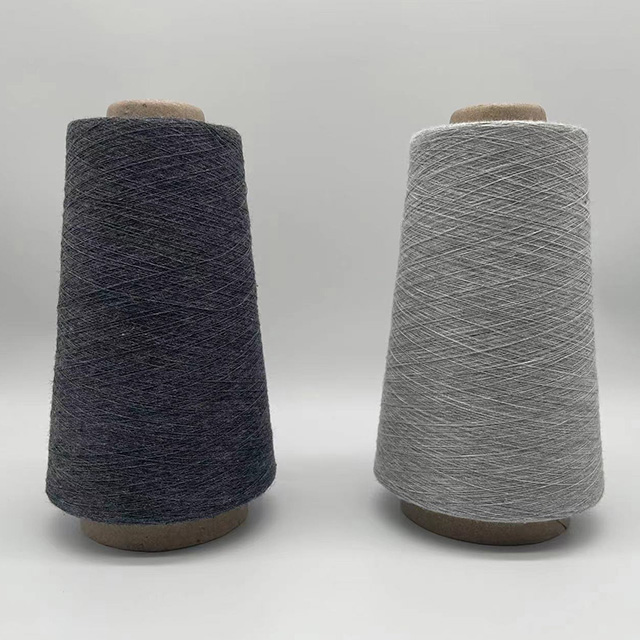
Transitioning a fashion brand to circular supply chains presents immense complexity. Yet, industry data shows an undeniable reality. Roughly 80% to 90% of a product’s economic and environmental costs lock in during the initial design and material selection phase. This makes early sourcing decisions critical. For sustainable fashion lines, choosing Melange Yarn offers strategic value. These fiber-level dyed mixtures create a distinct, heathered look. Beyond aesthetics, they serve as a vital lever for reducing water consumption and integrating recycled materials seamlessly.
Sourcing sustainable materials requires navigating real-world barriers. You must balance technical trade-offs in fiber strength against sustainability goals. You also face cost competition from virgin synthetics and supplier reliability challenges. This guide provides a clear framework to evaluate and shortlist the right eco-friendly textiles. You will learn how to align material specifications seamlessly into your brand’s circular fashion objectives.
Fiber-level dyeing in melange production can save up to 50% in water usage compared to traditional piece dyeing.
Integrating recycled dyed fibers reduces energy consumption (saving approx. 65 kWh per kg of virgin cotton replaced) but requires balancing yarn tenacity and nep count.
Selecting the correct twist level (e.g., low twist for soft knits) and yarn count determines garment lifespan and performance.
Vetting suppliers for consistent delivery and verifiable compliance (GRS, OEKO-TEX) is as critical as the material specs themselves.
Traditional piece dyeing immerses entire fabric rolls into heated chemical baths. This conventional approach consumes massive water volumes and generates toxic wastewater. Fiber-level dyeing bypasses this heavy processing. Manufacturers pre-dye only a specific percentage of raw fibers. They then mix these colored fibers mechanically alongside undyed raw cotton to create the final shade. This precise blending eliminates the need for resource-intensive fabric post-dyeing. Sourcing Melange Yarn actively cuts a garment's water footprint, aligning material choices directly to corporate sustainability targets.
Circular fashion extends beyond the factory floor. It relies heavily on the consumer use phase. Consumers often discard clothing prematurely due to visible stains, fading, or minor wear. Multi-tonal, heathered textures naturally camouflage these minor imperfections. This visual durability proves especially valuable in activewear and children's clothing. When stains remain hidden, consumers wash these garments less frequently. Fewer wash cycles preserve fabric integrity, reduce microplastic shedding in synthetic blends, and exponentially extend product life. Designing for longevity requires materials capable of aging gracefully.
Processing virgin cotton demands intense agricultural and mechanical energy. Cultivation, ginning, and spinning all carry heavy carbon loads. Recycling dyed fiber waste into new blends drastically reduces this energy footprint. Established industry metrics show substantial efficiency gains here. Reusing pre-dyed factory scraps avoids the energy spike associated with growing new crops and operating high-heat dye vats. You significantly lower your brand's Scope 3 emissions by incorporating these recycled elements into your seasonal collections.
Selecting the right textile requires matching fiber mechanics to the garment's end-use. Designers must evaluate composition, thickness, and twist to ensure optimal performance. The chart below summarizes key technical parameters for sustainable material sourcing.
Sustainable Yarn Application Summary Chart | |||
Parameter Category | Specific Type / Metric | Primary Benefit | Best Garment Application |
|---|---|---|---|
Composition | 100% Organic/Recycled Cotton | Maximum breathability, natural feel | Everyday casual wear, loungewear |
Poly-Melange (Recycled Poly/Cotton) | High durability, wrinkle resistance | Athleisure, heavy-duty workwear | |
Tri-Blends (Cotton/Poly/Viscose) | Premium drape, moisture management | Luxury knits, performance tops | |
Yarn Count (Ne) | Ne 10/1 to Ne 20/1 | Thick, high tensile strength | Heavy knits, robust outerwear |
Ne 50/1 and higher | Fine texture, lightweight feel | Intricate detailing, sheer textiles |
The base material mix dictates both ecological impact and physical feel. A 100% organic or recycled cotton blend serves best for breathable, everyday casual wear. It offers superior comfort against the skin but may lack industrial durability. Poly-melange options integrate recycled polyester. This addition provides high durability and wrinkle resistance, making it ideal for athleisure and demanding workwear. Tri-blends combine three materials, often cotton, recycled polyester, and viscose. This complex mixture optimizes premium texture, fluid drape, and advanced moisture management. Tri-blends represent the peak of luxury sustainable textiles.
Yarn count measures thickness and fineness. The English Cotton Count (Ne) system dictates application suitability. Lower numbers indicate thicker threads. Counts ranging from Ne 10/1 to Ne 20/1 work best for heavy, durable knits and structured outerwear. They withstand abrasion and structural stress efficiently. Conversely, counts of Ne 50/1 and higher represent extremely fine threads. These suit lightweight textiles, delicate undergarments, and intricate detailing. Choosing the wrong count leads to premature garment failure or uncomfortable stiffness.
Twist binds individual fibers together during spinning. It directly influences fabric softness and strength. Low twist yarns dominate the market, holding approximately a 45% share. They provide a soft, fluffy hand-feel perfect for comfortable sustainable knitwear. However, low twist sacrifices some tensile strength. High twist yarns solve this problem. They deliver robust strength and tight structure. Manufacturers rely on high twist for woven formalwear or as structural weft yarns in denim production. You must align the twist level precisely with your desired hand-feel and durability targets.
Many industry professionals express skepticism regarding eco-fibers. They often fear recycled materials suffer from lower structural integrity or scratchy textures. You must confront this "performance drop" reality head-on. Mechanical recycling chops and stresses individual fibers. This harsh process inevitably alters the raw material's physical geometry. Pretending recycled textiles behave exactly like premium virgin materials leads to production failures. Successful circular brands acknowledge these limitations early. They adapt their knitting tensions and design expectations to accommodate the unique behavioral traits of recycled inputs.
Introducing recycled dyed fiber waste creates an unavoidable physical trade-off. It inherently lowers the breaking tenacity and elongation of the final thread. Recycling shortens the staple lengths of the cotton. Shorter fibers provide fewer contact points for friction during spinning. As a result, the thread stretches less before snapping under pressure. You cannot maximize recycled content and maximize tensile strength simultaneously. Designers must identify the "sweet spot" for each specific garment. A heavy winter sweater tolerates lower tenacity far better than high-compression activewear.
Recycled materials contain more physical irregularities. Small knots, known as neps, and surface hairiness increase noticeably. Blending techniques dictate the severity of these imperfections. Manufacturing choices heavily impact the Short Fiber Index (SFI). Draw Frame Blending generally preserves fiber length better than Blow Room Blending. Blow Room environments inflict more physical damage, elevating the SFI and creating fuzzier textures. Buyers must set strict, acceptable thresholds for neps and hairiness. You must base these quality parameters on the final garment's market tier. Luxury brands demand tighter SFI controls than budget eco-lines.
B2B procurement teams face significant reliability challenges. The most common buyer objection involves suppliers ghosting after an initial order or silently changing material specs. A mill might provide a flawless Melange Yarn prototype but substitute cheaper inputs during bulk production. You must establish strict quality assurance protocols to prevent this. Require third-party testing for bulk deliveries. Build relationships with certified mills offering transparent operational histories. Do not rely solely on the success of a single small-batch trial.
A persistent price gap exists between sustainable options and ultra-cheap, virgin petroleum-based synthetics. Petrochemical byproducts cost pennies on the dollar. You cannot win a raw margin battle against virgin polyester. Instead, frame the return on investment around brand transparency, compliance readiness, and premium market positioning. Upcoming global textile legislations will penalize virgin plastic use. Investing in sustainable materials now future-proofs your supply chain. Modern consumers actively pay premiums for verifiable environmental responsibility. Sell the narrative of impact reduction, not just the physical garment.
Vague eco-claims no longer satisfy regulators or consumers. You must demand verifiable proof from your supply chain. Shortlisted suppliers must provide clear, auditable documentation. Look for the Global Recycled Standard (GRS) or the Organic Content Standard (OCS). These certificates trace materials from the initial recycling facility through the final spinning process. Verifiable compliance backs up your marketing claims. It shields your brand from greenwashing accusations and satisfies the growing consumer demand for total supply chain transparency.
Moving from theory to procurement requires a disciplined approach. Use the following sequential framework to evaluate and secure the best sustainable materials for your next production run.
Step 1: Define Baseline Metrics: Establish exact technical requirements before approaching vendors. Document your mandatory yarn count, acceptable twist levels, and minimum recycled content percentages. Clear baselines prevent suppliers from pushing unsuitable stock inventory onto your brand.
Step 2: Request Technical Data Sheets (TDS): Never evaluate a textile on physical feel alone. Ask mills for comprehensive test results. You need verified data on colorfastness, breaking tenacity, and thread evenness. A reliable supplier provides these documents willingly and quickly.
Step 3: Conduct Small-Batch Prototyping: Run a pilot test before committing to bulk orders. Test machine compatibility during the knitting or weaving phase. Evaluate post-wash shrinkage and pilling resistance. Real-world mechanical testing reveals flaws hidden on a spec sheet.
Step 4: Audit Supplier Consistency: Verify the supplier’s raw material sourcing channels. Ensure they can scale production volumes without fluctuating quality. Ask about their contingency plans for recycled fiber shortages. A stable supply chain matters just as much as a perfect prototype.
Choosing sustainable Melange Yarn requires balancing ecological ideals against strict mechanical realities. You must accept certain trade-offs in tensile strength while strictly managing visual imperfections like neps and hairiness. Success depends on rigorous supplier vetting and demanding verifiable compliance at every stage.
Fashion brands must stop viewing material procurement merely as a cost center. Instead, treat it as the foundational step of effective product life-cycle management. The decisions you make regarding fiber composition dictate the garment's water footprint, lifespan, and ultimate recyclability.
Take action today by reviewing your current material specification sheets. Identify collections relying heavily on virgin piece-dyed fabrics. Initiate conversations with certified sustainable manufacturers to run small-batch pilot tests, and begin transitioning your supply chain toward genuine circularity.
A: Yes, the upfront cost typically runs higher due to complex sorting and mechanical recycling processes. However, you recover significant costs later in the supply chain. Skipping the fabric piece-dyeing phase drastically reduces water consumption, chemical purchases, and wastewater treatment fees, often neutralizing the initial premium.
A: Perfect color matching poses a challenge. The color arises from mechanically blending pre-dyed and raw fibers rather than dipping an entire fabric into a uniform chemical bath. Brands must establish acceptable tolerance levels for slight heathered color variations inherent to this mechanical blending process.
A: Most standard knits safely incorporate 20% to 30% recycled short-staple cotton before strength drops unacceptably. Pushing ratios to 50% or higher usually requires introducing synthetic core-spinning or specific blending techniques to maintain necessary breaking tenacity for industrial knitting machines.
A: Yes, fiber-level blending requires specific MOQs to remain economically viable for spinning mills. Custom fiber ratios demand extensive machine cleaning and recalibration. Buyers should ask suppliers about MOQs early in negotiations to ensure alignment with their projected production volumes.