Specializing in the field of yarn dyeing and finishing for 20 years. Contact us for customization
Please Choose Your Language

Views: 0 Author: Site Editor Publish Time: 2026-05-29 Origin: Site
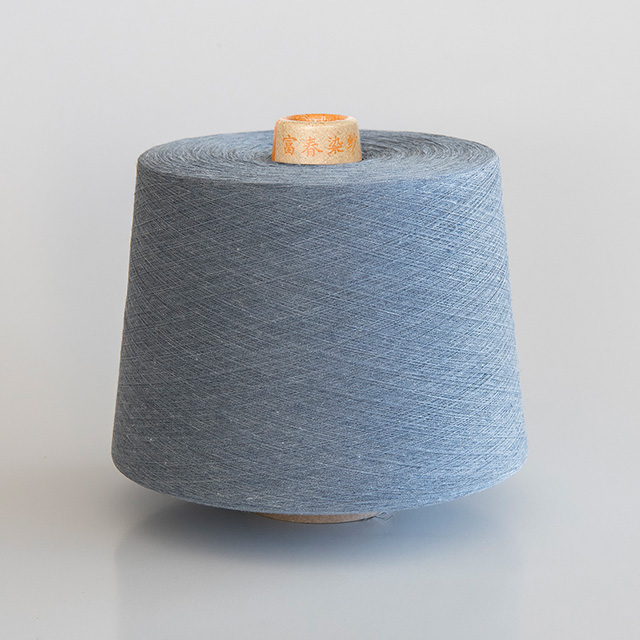
Creating a beautifully mottled, multi-toned textile aesthetic presents a significant challenge for modern designers. Relying on traditional post-weave dyeing methods often leads to frustratingly inconsistent color distribution. It can also permanently compromise the fundamental texture of the raw fabric itself. Designers desperately need a reliable method to achieve an authentic heathered look without these distinct drawbacks. Integrating Melange Yarn directly solves this problem by mixing distinct colors at the raw fiber stage prior to spinning. However, implementing this textile successfully requires adjusting project patterns and strict procurement criteria due to its unique physical properties. You will discover exactly how to master these unique physical and aesthetic traits in the sections below. We provide a complete technical evaluation framework for selecting, sourcing, and working with these specialized blends. You will learn to achieve highly reliable heathered outcomes without ever sacrificing structural garment integrity.
Authentic heathered textures require pre-spinning fiber blending, ensuring high colorfastness and a natural mottled look.
Fabrics constructed with melange yarn typically exhibit up to 5% less horizontal stretch than solid-color equivalents of the exact same material composition.
High-frequency color shifts (changing within a single yard) are the defining metric for evaluating premium melange visually.
Sourcing requires vetting for "Low Impact Dyeing" processes to leverage the material's inherent sustainability and ESG (Environmental, Social, and Governance) advantages.
Many industry newcomers misunderstand the fundamental nature of these textiles. The word "melange" translates simply to mixture in French. It does not represent a specific raw material like cotton or silk. Instead, it refers strictly to a specialized spinning process. Manufacturers blend un-spun raw fibers of varying colors together before spinning them into a unified thread. Textile engineers feed differently colored fiber slivers into a drawing frame. The machine drafts and twists these fibers into a single, cohesive structure. This rigorous blending at the microscopic level guarantees a deeply integrated color profile. It sets the foundation for a truly authentic heathered aesthetic.
You must contrast this fiber-level blending against more common space-dyeing or self-striping techniques. Space-dyeing applies color to the thread after the spinning process finishes. Manufacturers inject or print dye onto the finished skein. This method inevitably creates distinct blocks or highly visible stripes of color. Post-spinning treatments fail to capture a subtle, organic look. The pre-spinning fiber-blending approach instead yields a true heathered micro-texture. It looks deeply natural and sophisticated. You avoid the harsh, geometric pooling of colors commonly seen in cheaper self-striping alternatives. The blended fibers interact organically under varying light conditions, creating remarkable visual depth.
How do textile experts evaluate a premium blend? They analyze the visual shift frequency. High-quality mixtures complete their internal color transitions within extremely short physical increments. A premium Melange Yarn often shifts its dominant color nodes subtly within just one single yard. This rapid frequency effectively prevents unwanted color pooling in the final garment. It also stops aggressive macro-striping from ruining your finished textile design. When evaluating samples, always unravel a few yards. Count how many times the dominant tone subtly changes. A higher frequency of micro-shifts directly correlates to a more expensive, premium spinning process.
You must confront a vital physical implementation reality when designing garments. Blended fabrics behave quite differently than plain, solid fabrics. You will notice this performance gap even when fiber composition tags look completely identical. Industry professionals frequently call this the "heathered elasticity tax." Mixing differently dyed fibers inherently alters how the final spun material behaves under tension. Different dye treatments change the natural crimp and surface friction of individual fibers. When spun together, these physically altered fibers grip each other more tightly. This tight grip restricts the natural mechanical give of the finished thread.
We see this elasticity reduction clearly in laboratory stretch testing. Melange structures consistently yield significantly lower horizontal elasticity compared to their plain counterparts. A standard solid-color knit might easily stretch up to 80% horizontally across the grain. The exact same garment pattern, constructed using a heathered equivalent, might only stretch 40%. You must account for this dramatic 50% reduction in mechanical give. The table below illustrates standard stretch and recovery metrics across different textile formats.
Fabric Construction Type | Material Composition | Max Horizontal Stretch (%) | Recovery Rate (%) |
|---|---|---|---|
Solid Plain Knit | 95% Cotton / 5% Spandex | 80% | 98% |
Heathered Knit | 95% Cotton / 5% Spandex | 40% - 45% | 95% |
Solid Woven | 100% Polyester | 15% | 99% |
Heathered Woven | 100% Polyester | 8% - 10% | 97% |
How should you handle this reduced stretch during production? We strongly recommend adopting "fit-on-the-fly" methodologies for garment construction. Pattern makers cannot blindly rely on standard block patterns. They should baste the side seams first during the initial prototyping phase. We also advise allocating an extra 0.5 to 1 inch of seam allowance on all lateral seams. This extra structural room easily accommodates the noticeably reduced stretch. If you design form-fitting activewear, you may need to grade the entire pattern up one full size. Proper tension mapping during the sampling phase prevents catastrophic fit issues in mass production.
Natural animal fibers offer exceptional opportunities for beautiful mottled aesthetics. Consider premium materials like authentic Shetland wool. These fibers offer an unmatched natural look. They also deliver incredible post-processing stability. High-quality heathered wool fiercely retains its underlying mottled texture throughout aggressive manufacturing steps. It keeps this rich visual depth even if you over-dye the finished fabric later in production. The pre-blended fibers absorb the new dye differently based on their original base color. This creates stunning, multidimensional overtones. Always source long-staple wool varieties to minimize pilling and maximize structural longevity.
Modern synthetic chemistry has evolved rapidly over the past decade. Today, advanced 100% acrylic Melange Yarn can easily mimic the coveted softness of expensive cotton-acrylic blends. This technological leap solves a major historical problem for mass-market designers. It totally eliminates the hand-fatigue and rough, plastic textures previously associated with budget synthetic sourcing. Extrusion technologies now create micro-crimped synthetic fibers. These micro-crimps replicate the natural air pockets found in organic wool and cotton. They provide excellent thermal insulation while maintaining a remarkably soft hand-feel.
You must set extremely clear expectations regarding dimensional stability for end consumers. Low-twist variations often soften significantly after their first rigorous wash cycle. This softening process changes the drape and fit of the garment. You must implement strict wash-testing protocols before approving scaled production.
Create a control swatch: Knit or weave a standard 6x6 inch prototype square using the exact production tension.
Record initial metrics: Measure the exact dimensions and weigh the dry swatch accurately.
Execute standard laundering: Subject the prototype swatch to standard consumer machine washing and drying cycles.
Analyze the differential: Compare the post-wash dimensions against your original measurements to calculate precise shrinkage percentages.
Evaluate surface integrity: Inspect the dried swatch under strong lighting to check for excessive fiber blooming or pilling.
You can easily frame this fiber-blending approach as a deeply sustainable sourcing strategy. Blending pre-dyed raw fibers drastically reduces downstream environmental impact. Manufacturers entirely skip the high-energy, water-intensive fabric dyeing phases. Traditional piece-dyeing requires massive vats of boiling water and continuous chemical agitation. The blended approach bypasses this destructive step. Facilities dye the raw fibers in highly controlled, optimized batches before spinning. This profoundly cleaner manufacturing process directly supports robust ESG (Environmental, Social, and Governance) goals. Brands utilizing these materials can legitimately claim significant reductions in their overall carbon footprint.
This pre-spinning process also delivers extraordinary chemical stability. Embedding color directly into the core fiber structure creates superior resistance to fading. Colors rarely bleed during friction testing or washing. This inherently strong colorfastness directly reduces harsh chemical runoff during consumer-end washing. It keeps our global waterways significantly cleaner. Let us review the primary ESG benefits below.
Zero post-weave water consumption: The fabric itself never enters a dye bath, saving thousands of gallons per production run.
Reduced thermal energy usage: Eliminating piece-dyeing removes the need to boil massive quantities of water for hours.
Elimination of residential toxic runoff: Deeply locked colors prevent microscopic dye particles from washing down consumer drains.
Enhanced garment lifespan: Superior fade resistance keeps garments looking newer for longer, reducing fast-fashion landfill waste.
The global textile industry faces frequent and highly disruptive product line discontinuations. Localized stockouts for popular heathered colorways happen constantly. Manufacturers often require massive minimum order quantities (MOQs) for custom dyed fiber batches. When a specific color trend fades, mills ruthlessly discontinue the corresponding raw fiber shades. You must thoroughly acknowledge and intelligently plan for this inherent supply chain volatility. Do not build an entire flagship product line around a single, unverified specialty colorway. Always secure robust guarantees regarding long-term stock availability from your primary mill.
How do you find viable alternatives when your primary supplier runs out of stock? You cannot simply rely on basic visual color matching. A similarly colored thread might behave completely differently on the knitting machine. You must analyze mechanical specifications carefully. We have provided a technical alternative vetting chart below to help you map critical replacement variables.
Alternative Sourcing Vetting Chart | ||
Evaluation Metric | Primary Requirement | Risk of Ignoring Metric |
|---|---|---|
Yard-by-Yard Shift Frequency | Must match original color transition length perfectly. | Garment will develop ugly macro-stripes or awkward color pooling. |
Standard Yarn Weight | Must maintain identical twists per inch (TPI). | Gauge will change, drastically altering final garment sizing. |
Fiber Composition | Synthetic-to-natural ratios must remain identical. | Heat retention, drape, and washability will fail consumer expectations. |
Horizontal Elasticity | Must stretch within 2% of original sample. | Pattern grading will fail, leading to garments that do not fit. |
We strongly recommend initiating a rigorous sampling phase immediately. Request multiple physical fiber samples from at least three different geographical suppliers. Test the mechanical stretch tolerances thoroughly in your specific patterns. Always verify the precise color transition lengths before committing capital to massive bulk purchases. Secure your redundant supply chains early in the development cycle. Taking these proactive steps ensures smooth, uninterrupted manufacturing. It dramatically reduces your financial risk while guaranteeing an exceptional final product.
Achieving a flawlessly consistent heathered effect requires completely accepting the unique structural trade-offs of pre-spun blended fibers. You cannot treat these textiles like standard solid-color fabrics. They demand specialized handling, modified pattern grading, and rigorous mechanical testing. However, the resulting aesthetic depth and superior colorfastness make the extra effort incredibly worthwhile.
Always accurately measure horizontal elasticity before finalizing your garment production patterns.
Prioritize the yard-by-yard color shift frequency metric when initially evaluating new supplier samples.
Implement strict prototype wash-testing immediately to account for post-wash softening in low-twist blends.
Secure secondary and tertiary suppliers early to mitigate the high risks of sudden colorway discontinuations.
A: Blended spinning introduces microscopic mechanical differences within the thread. Combining differently dyed raw fibers physically alters how the final spun material stretches. This tightly gripped internal structure inherently reduces horizontal elasticity. It makes the finished garment feel noticeably tighter than a solid-color equivalent.
A: Yes, you can mix them safely. However, you must carefully map and account for tension differences in your pattern. Solid sections will stretch more easily than heathered sections. We highly recommend swatching both materials together to test the combined gauge beforehand.
A: Generally, no. High-quality materials like authentic Shetland wool strongly resist losing their core mottled texture when dyed. The pre-blended fibers absorb the new dye differently. This preserves the beautiful, multidimensional appearance perfectly beneath the new overtone color.
A: Yes, they are typically highly durable and perfectly machine washable. Standard care strictly requires a cold wash cycle and low heat for drying. The inherent colorfastness of pre-dyed synthetic blends easily prevents unwanted fading or color bleeding during routine washing.