Specializing in the field of yarn dyeing and finishing for 20 years. Contact us for customization
Please Choose Your Language

Cotton dyeing is an essential process in textile manufacturing, used to transform raw cotton fibers and yarns into vibrant, functional fabrics. Dyeing imparts color to cotton fibers, enhancing the aesthetic and practical value of cotton products. This article explores what cotton dye is, how it is applied to yarns, and why cotton dyed yarn—especially cotton hand dyed yarn—offers unique benefits to both manufacturers and consumers.
Cotton dye is a process used to add color to cotton fibers, yarns, or fabrics. This process involves the application of different types of dyes or pigments to cotton fibers, making them visually appealing while maintaining their natural qualities. Dyeing can be done at various stages, including before spinning the yarn or after the fabric is woven or knitted.
In the context of yarns, cotton dyeing is commonly referred to as "yarn dyeing," where cotton yarns are colored before being woven into fabric. This allows manufacturers to create patterned textiles, such as stripes or checks, with consistent and vibrant colors. Reactive dyes, direct dyes, and vat dyes are among the most commonly used in cotton dyeing due to their strong affinity for cellulose-based fibers like cotton.
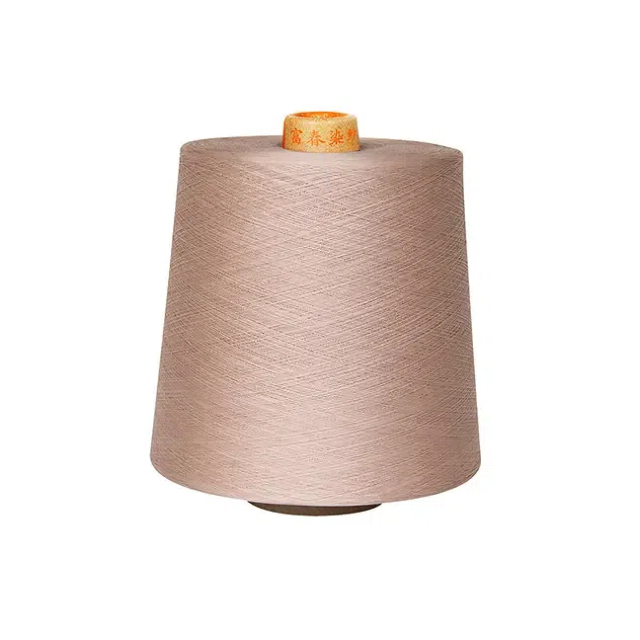
The dyeing process for cotton can vary depending on the desired effect and the type of cotton product being made. Generally, the dyeing process involves several key stages:
Pre-treatment: Before dyeing, cotton yarns or fabrics undergo a pre-treatment process, which typically includes scouring and bleaching. These steps remove impurities and natural waxes from the cotton fibers, ensuring that the dye is absorbed evenly.
Dyeing: Once pre-treated, the cotton is dyed in a dye bath where the dye is applied. For yarns, this process is usually done using package dyeing or skein dyeing methods. These methods allow the dye to penetrate the yarn fibers, creating uniform color distribution.
Fixation: After the dye is applied, the yarn or fabric undergoes a fixation process. This step helps to lock the dye into the cotton fibers, ensuring that the color is stable and long-lasting.
Washing and Finishing: Finally, the dyed cotton is washed to remove any excess dye, followed by a finishing process to improve texture, strength, and durability. The result is a vibrant, durable cotton yarn ready for use in textile production.
In the case of cotton hand dyed yarn, this process is typically done in smaller, batch quantities by artisans. Hand-dyeing allows for more creative freedom, resulting in one-of-a-kind colorways and designs that are unique to each skein of yarn.
Cotton dyed yarn is yarn that has been dyed prior to being woven or knitted into fabric. This pre-dyeing process allows for better control over color consistency, which is crucial when producing fabric with patterns, such as stripes or checks. The yarn is typically dyed in large batches or small skeins, depending on the scale of production.
Yarn dyeing also ensures that colors are embedded deeply into the fiber, offering better color fastness and durability compared to dyeing after the fabric is made. Cotton dyed yarn is widely used in various industries, including apparel, home textiles, and craft products, due to its versatility and ability to provide consistent, high-quality color.
On the other hand, cotton hand dyed yarn is a more specialized product. Hand-dyed yarn is often used by crafters and artisans who seek to create unique, custom pieces. The colors are usually applied manually in small batches, resulting in a more vibrant and diverse range of colors compared to mass-produced yarns.
There are several reasons why manufacturers and consumers alike choose cotton dyed yarn over undyed or piece-dyed alternatives:
Color Consistency: When cotton yarn is dyed before fabric production, it provides more consistent and even color throughout the textile. This is especially beneficial for creating patterns such as stripes, checks, and plaids, which require precise color placement.
Better Durability: Dyeing cotton yarn ensures that the color is locked into the fibers, which results in better colorfastness. The yarn will resist fading and maintain its appearance even after repeated washes, making it ideal for garments and textiles that are frequently laundered.
Faster Production: By using pre-dyed cotton yarn, manufacturers can reduce the time spent on dyeing fabrics after they have been woven or knitted. This results in a more efficient production process, which can be particularly beneficial for mass production.
Unique Designs: For consumers and manufacturers looking for one-of-a-kind items, cotton hand dyed yarn offers a level of uniqueness that mass-produced dyed yarns cannot. Hand-dyeing allows for the creation of vibrant, customized colorways that add character and exclusivity to textiles.
Sustainability: As the textile industry moves toward more sustainable practices, dyeing yarn before fabric production allows for better control over the dyeing process and reduces water usage. Additionally, many artisans are adopting eco-friendly dyes and techniques when producing cotton hand dyed yarn, contributing to environmentally conscious production.
When sourcing cotton dyed yarn, there are several important factors to consider:
Yarn Quality: The quality of cotton used in the yarn is crucial to the final product's performance. Higher-quality cotton fibers will result in softer, stronger, and more durable yarns, which are essential for producing high-quality fabrics.
Dye Fastness: Different types of dyes have different levels of fastness. Reactive dyes tend to provide excellent color fastness, while direct dyes may not be as durable. For B2B buyers, specifying the desired level of dye fastness is essential to ensure the final product meets performance standards.
Environmental Impact: Eco-conscious manufacturers and consumers are increasingly concerned with the environmental impact of textile dyeing. Using sustainable dyes and processes, such as low-water dyeing methods or plant-based dyes, can help reduce the environmental footprint of cotton dyed yarn.
Customization and Flexibility: For businesses in the fashion and home textile industries, the ability to customize the color and texture of cotton yarn is a significant advantage. Cotton hand dyed yarn allows for unique color creations that set products apart in the marketplace.
As consumer demand for sustainable, unique, and high-quality textiles grows, the use of cotton dyed yarn continues to rise. Hand-dyed yarns, in particular, have gained popularity in the craft and artisanal markets, where customers appreciate the one-of-a-kind, bespoke nature of the products.
Furthermore, with the rise of eco-conscious fashion, many manufacturers are opting for sustainable dyeing techniques and natural dyes to produce cotton hand dyed yarn. This trend is likely to continue as the textile industry shifts toward greener practices.
Here are some viewpoints from different platforms regarding cotton dye and cotton dyed yarn:
Craftsy platform: Hand-dyeing cotton yarn allows for endless creative possibilities. You can achieve colors that may not be available in your local yarn store, providing crafters with more options for unique projects.
MeGuide platform: Understanding cotton dyeing can help you appreciate the cotton textiles you wear or use every day. The dyeing process allows cotton to take on vibrant, long-lasting colors while retaining its soft and breathable qualities.
TVF Inc platform: Cotton dyeing is integral to creating functional and fashionable fabrics. The process used to dye cotton yarns can affect the final product's durability, texture, and appearance, making it crucial to select the right dyeing method for each project.
NT Wangsheng platform: When dyed properly, cotton retains its strength while offering vibrant colors that are both durable and aesthetically pleasing. This makes cotton dyed yarn an excellent choice for high-quality textile production.
WildWoollys platform: Cotton hand dyed yarn offers a range of natural fibers with a soft touch and eco-friendly appeal, making it ideal for summer garments and delicate handcrafted products.
What is the difference between piece-dyed cotton and yarn-dyed cotton yarn?
Piece-dyeing colors the fabric after weaving, while yarn-dyeing colors the yarn before fabric production, offering better control for patterned fabrics.
Is cotton hand dyed yarn suitable for large-scale manufacturing?
While hand-dyed yarn is typically produced in smaller batches, it is perfect for premium or custom products where uniqueness is valued over mass production.
What types of dyes are used for cotton yarn?
Reactive, direct, and vat dyes are commonly used, depending on the desired color fastness and end-use application.
How does dyeing affect yarn strength?
Properly dyed cotton yarn retains its strength and elasticity, ensuring that the dyed product is both durable and visually appealing.
Cotton dyeing is a crucial process in the textile industry, enabling manufacturers to create vibrant, functional fabrics and yarns. Cotton dyed yarn, especially cotton hand dyed yarn, provides a unique opportunity for businesses to offer one-of-a-kind, eco-friendly products. By understanding the dyeing process and choosing the right type of dye and yarn, manufacturers can create high-quality textiles that meet consumer demand for sustainability and style.


