Specializing in the field of yarn dyeing and finishing for 20 years. Contact us for customization
Please Choose Your Language

Views: 0 Author: Site Editor Publish Time: 2026-01-07 Origin: Site
Are you struggling to find the perfect yarn for your next sweater? Choosing the right sweater yarn is crucial for achieving warmth and comfort. With more people embracing handmade garments, understanding yarn selection has never been more important.
In this post, we’ll explore essential factors to consider when selecting yarn, ensuring your sweater is cozy and stylish.
Sweater yarn is a specific type of yarn designed for knitting or crocheting sweaters. It is characterized by its thickness, texture, and fiber content, which contribute to the overall warmth and comfort of the finished garment. Typically, sweater yarn is made from materials like wool, cotton, or synthetic fibers, each offering unique benefits.
Yarn Type | Characteristics | Best For |
Wool | Warm, elastic, breathable | Cold-weather sweaters |
Merino Wool | Soft, less itchy, excellent drape | Next-to-skin garments |
Cotton | Breathable, lightweight, durable | Summer sweaters, casual wear |
Acrylic | Affordable, easy care, versatile | Beginner projects, everyday use |
Blends | Combines benefits of different fibers | Varied styles, improved durability |
Different types of yarn can significantly affect the final look and feel of your sweater. For instance, wool provides warmth and elasticity, while cotton offers breathability, making it suitable for warmer climates. Blends can also enhance the qualities of each fiber, providing a balance between comfort and durability.
Choosing the right yarn is essential for achieving the desired feel, warmth, and drape in your sweater. The yarn affects how the finished garment hugs the body, how it falls when worn, and how it retains its shape over time. For example, heavier yarns like worsted weight create a structured fit, while lighter yarns like fingering weight provide a more delicate, flowing drape.
When knitting, the choice of yarn also influences the knitting process itself. Thicker yarns can be easier to work with, allowing for quicker projects, while finer yarns may require more attention to detail but can showcase intricate stitch patterns beautifully. The yarn's texture and fiber content contribute to the overall aesthetic of the sweater, making it crucial to select yarn that aligns with your project goals.
Consider how the yarn will interact with various stitch patterns. Textured stitches, like cables or lace, benefit from yarns that have good stitch definition, such as wool or wool blends. On the other hand, smoother yarns might be better for simple stockinette patterns, allowing the fabric to flow seamlessly.
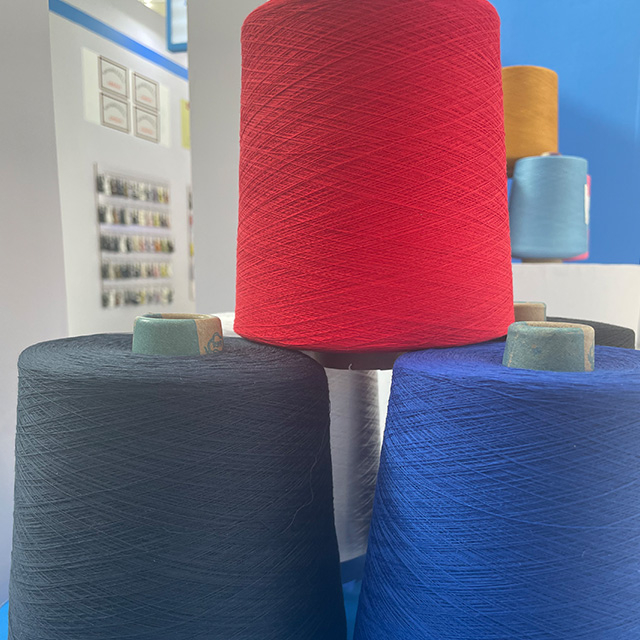
When selecting sweater yarn, fiber content plays a crucial role in determining warmth, comfort, and durability.
Wool is often the go-to choice for many knitters. It offers excellent warmth due to its natural insulating properties. Wool is also breathable, allowing moisture to escape, which keeps you comfortable. Additionally, its elasticity helps garments retain shape, making it perfect for sweaters that need to fit well.
Merino Wool takes things a step further. Known for its softness, merino wool is less itchy than traditional wool, making it ideal for those with sensitive skin. This fiber also provides excellent temperature regulation, ensuring you stay warm without overheating.
Yarn Type | Benefits | Best For |
Wool | Warmth, breathability, elasticity | Cold-weather sweaters |
Merino Wool | Softness, reduced itchiness, good drape | Next-to-skin garments |
Blends (e.g., Merino-Silk) | Enhanced comfort and durability | Versatile styles |
Synthetic Blends | Affordable, easy-care, versatile | Everyday wear |
Blends like merino-silk or wool-acrylic combine the best qualities of different fibers. These blends can enhance comfort and durability while providing a unique texture. For instance, merino-silk blends offer luxurious softness and sheen, making them suitable for elegant sweaters.
Other Fibers also have their place. Cotton is breathable and lightweight, perfect for warmer climates, while alpaca provides incredible warmth and softness. However, alpaca lacks elasticity, which may affect the fit over time. Synthetic options, like acrylic, are budget-friendly and easy to care for, although they may not offer the same warmth as natural fibers.
Yarn weight is another critical factor that affects the overall feel and warmth of your sweater. It refers to the thickness of the yarn strand and significantly influences the knitting process.
Different yarn weights include:
● Fingering Weight: Light and airy, ideal for delicate sweaters or layering pieces.
● DK (Double Knitting) Weight: A popular choice that balances warmth and drape, working up faster than fingering yarn.
● Worsted Weight: Thicker and sturdier, it creates a warm fabric suitable for colder weather.
● Bulky Weight: Great for quick projects, offering maximum warmth but may be heavier on the body.
Yarn Weight | Characteristics | Best For |
Fingering | Light, delicate, requires more stitches | Lightweight sweaters, lacework |
DK Weight | Versatile, good structure | Everyday sweaters, cardigans |
Worsted | Thick, warm, structured | Cold-weather garments |
Bulky | Fast to knit, heavy warmth | Quick projects, cozy sweaters |
Choosing the right yarn weight depends on the climate and the intended use of the sweater. For warmer weather, lighter weights like cotton or fingering may be more suitable. In contrast, for winter wear, opt for worsted or bulky yarns to ensure you stay warm.
Drape refers to how the knitted fabric falls and moves when worn. It is essential in determining the overall look and feel of your sweater.
Different yarns can significantly affect the drape and texture. For example, wool and wool blends typically have a good structure, making them ideal for textured patterns like cables. On the other hand, cotton has a looser drape, which can create a more relaxed look.
When selecting yarns, consider these tips:
● Swatch First: Always knit a swatch to see how the yarn behaves. This helps you gauge the drape and texture before committing to the entire project.
● Drape Preferences: Think about the style of the sweater. Fitted designs benefit from yarns with more structure, while oversized styles may call for softer, flowing yarns.
● Stitch Definition: If your pattern includes intricate stitches, choose yarns that enhance stitch definition. Wool and blends often do this well.
By understanding how different yarns affect drape and texture, you can make informed choices that align with your design vision. Whether you prefer a fitted silhouette or a more relaxed style, selecting the right yarn will ensure your sweater is both comfortable and stylish.
When selecting sweater yarn, understanding care instructions is vital. Always read the yarn labels carefully, as they provide essential information on how to wash and maintain your garment. Different fibers require different care methods, which can significantly impact the longevity of your knitted pieces.
Machine-Washable vs. Hand-Washable Yarns
● Machine-Washable: These yarns are convenient, allowing for easy cleaning. They can withstand the washing machine, making them great for everyday wear.
● Hand-Washable: While often softer and more delicate, these yarns require more care. Hand-washing prevents damage and helps maintain the yarn's quality over time.
To keep your sweaters looking their best, consider these maintenance tips:
● Avoid heat: Never use hot water or high heat when washing or drying. This can cause shrinkage or damage.
● Use gentle detergents: Opt for mild detergents designed for delicate fabrics.
● Store properly: Fold sweaters instead of hanging them to prevent stretching.
The cost of yarn can vary widely based on fiber type, brand, and source. Understanding these factors can help you make informed choices without breaking the bank.
Yarn Type | Average Cost per Skein | Typical Use |
Wool | $10 - $30 | Warm sweaters, winter garments |
Merino Wool | $15 - $40 | Soft, next-to-skin projects |
Cotton | $5 - $20 | Lightweight, summer wear |
Acrylic | $3 - $10 | Budget-friendly, everyday use |
To find high-quality yarns at reasonable prices, consider these sourcing tips:
● Local Yarn Shops: These often have knowledgeable staff who can help you choose the right yarn.
● Online Retailers: Websites frequently offer sales and discounts, making it easier to find deals.
● Sales and Discounts: Keep an eye out for seasonal sales or clearance events to stock up on your favorite yarns.
If you’re on a budget, look for synthetic blends or cotton yarns. These options often provide good quality at a lower price point without sacrificing comfort or warmth.
Climate plays a significant role in your yarn selection process. Understanding how different yarns perform in various weather conditions can help you create comfortable and functional sweaters.
For milder climates, lighter yarns such as cotton or DK-weight blends are ideal. They provide breathability and keep you comfortable without overheating. Here are some recommendations:
● Cotton: Great for warm weather; it’s breathable and lightweight.
● Linen Blends: Perfect for summer; they offer a unique texture and coolness.
In contrast, for colder regions, opt for thicker, warmer yarns. Worsted or bulky weights work well to provide insulation and warmth. Here are some suitable choices:
● Wool: Excellent for cold weather; it retains heat while allowing moisture to escape.
● Alpaca: Offers incredible warmth and softness, making it perfect for cozy winter sweaters.
By considering your local climate when choosing yarn, you can ensure your sweater is both functional and comfortable, providing the warmth you need during chilly days.
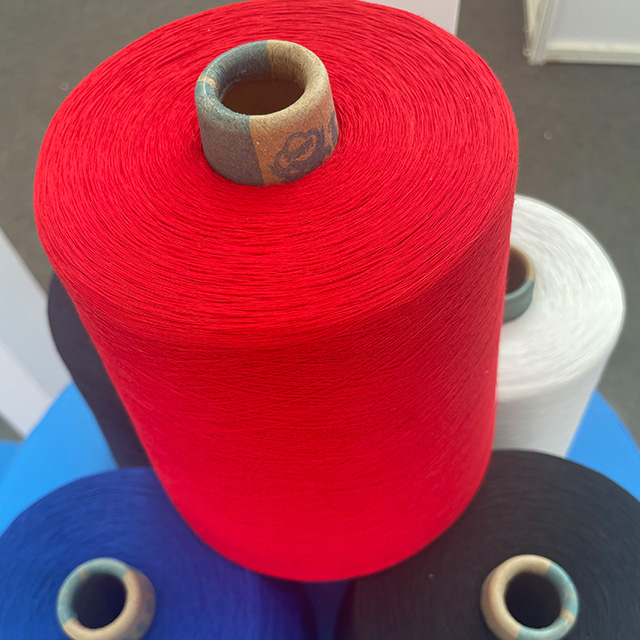
Before diving into your sweater project, knitting a swatch is essential. A swatch allows you to test the yarn’s characteristics and helps you understand how it behaves when knitted. This small piece of fabric can reveal much about the yarn's comfort, warmth, and overall suitability for your project.
Evaluating Yarn Comfort and Warmth
When creating your swatch, pay attention to how the yarn feels against your skin. Is it soft and cozy, or does it feel scratchy? Additionally, consider how warm it feels when wrapped around your hand. This initial evaluation can guide your final decision on whether the yarn will be comfortable for a full sweater.Adjusting Gauge and Needle Size
After knitting your swatch, check the gauge to ensure it matches your pattern requirements. If your gauge is off, you might need to adjust your needle size. Here’s a quick guide:
Needle Size Adjustment | If Your Gauge is Too Tight | If Your Gauge is Too Loose |
Use a Larger Needle | Increases stitch size | Decreases stitch size |
Use a Smaller Needle | Decreases stitch size | Increases stitch size |
By making these adjustments, you can achieve the perfect fit for your sweater, ensuring both warmth and comfort.
When choosing yarn, personal preferences play a significant role. Everyone has different sensitivities and styles, which can affect how comfortable a sweater feels.
Sensitivity to Itchiness
Some people are sensitive to certain fibers, especially wool. If you find traditional wool itchy, consider softer alternatives like merino wool or blends that include silk or acrylic. Always test the yarn by rubbing it against your skin to see how it feels.Preferred Weight and Style
Think about the weight of the yarn you enjoy working with. Lighter yarns are great for layering, while heavier yarns provide warmth and structure. If you prefer a loose fit, opt for yarns that drape well, like cotton or bamboo blends. For a fitted look, choose firmer yarns like wool or acrylic.
Yarn Characteristics | Best For | Personal Preferences |
Softness | Sensitive skin | Merino, alpaca, silk blends |
Drape | Relaxed styles | Cotton, bamboo |
Structure | Fitted designs | Wool, acrylic |
By considering these factors, you can select yarns that align with your comfort levels and style preferences. This thoughtful approach ensures that your finished sweater not only looks great but also feels wonderful to wear.
Choosing the right sweater yarn is crucial for achieving warmth and comfort. It influences the feel and durability of your knitted garments. We encourage readers to explore various yarn options and experiment with different projects. Trying out new fibers can enhance your knitting experience. We invite you to share your experiences and favorite yarns in the comments. At Fuchun, our products offer unique advantages, ensuring quality and comfort in every stitch.
A: Sweater yarn is a specific type of yarn designed for knitting or crocheting warm and comfortable sweaters.
A: Consider the fiber content, weight, and texture of the sweater yarn to ensure it meets your warmth and comfort needs.
A: Swatching helps evaluate the yarn's warmth and comfort, ensuring the final garment fits and feels as desired.
A: Wool, merino wool, and blends are popular choices for sweater yarn due to their warmth, softness, and durability.
A: In warmer climates, lighter sweater yarns like cotton are suitable, while thicker yarns are better for colder regions.


