Specializing in the field of yarn dyeing and finishing for 20 years. Contact us for customization
Please Choose Your Language

Why is Melange Yarn everywhere today? Its soft look and rich texture make it stand out. This article explains what it is and why it’s so popular. You’ll learn how it’s made and where it’s used. In this guide, we explore the key facts you need to know.
Melange Yarn is created by blending raw white fibers and dyed fibers before spinning, producing a natural heathered appearance that cannot be achieved with standard dyeing.
Fiber-level color blending allows for reduced water usage, lower chemical demand, and stronger color fastness, making it an environmentally friendly choice for modern textile production.
Designers value Melange Yarn for its visual depth, ability to hide knitting irregularities, and strong compatibility with activewear, casualwear, denim, and home textiles.
Production requires precise control over dyeing consistency, blending ratios, and carding quality; even a small change in fiber percentage significantly affects the final tone.
Understanding the differences between real melange and imitation melange helps buyers avoid quality issues and maintain color consistency in large-scale manufacturing.
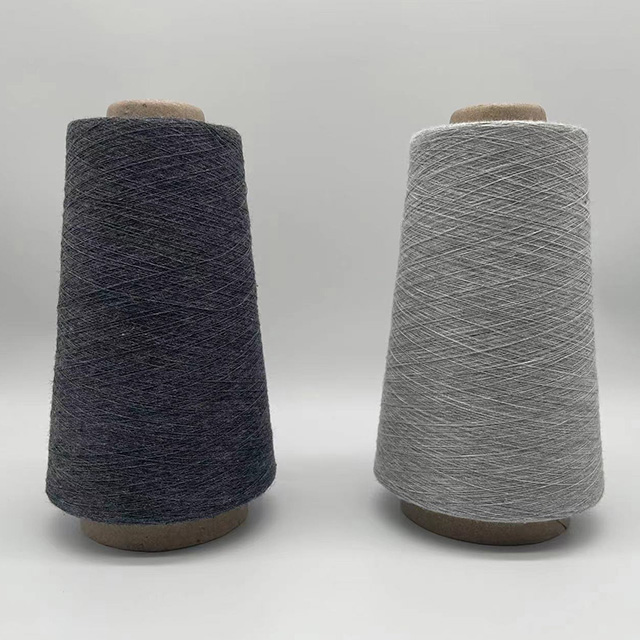
Melange Yarn is a fiber-dyed yarn produced by mixing dyed fibers and raw fibers before spinning. This fiber-level coloration creates a multi-tonal surface that looks natural and subtle, unlike the flat colors created by dyeing yarn after it is spun. Each fiber carries its own shade, and when they interlock during spinning, they form a visually rich structure that enhances both comfort and appearance. This makes Melange Yarn ideal for designers seeking depth without heavy finishing.
The word “melange” originates from French and means “mixture,” describing the blending of fibers with different colors or types. Its adoption in the textile world reflects the growing demand for fabrics with natural variation and handcrafted visual appeal. Over time, melange has become associated with high-quality heathered effects commonly found in premium casualwear and performance garments.
Solid-dyed and yarn-dyed yarns gain color after spinning, while Melange Yarn gains its tone at the fiber stage. Fiber-dyed blending creates internal color distribution that is more resistant to fading and more visually complex. Because each fiber adds its own shade, the resulting yarn offers soft transitions and tonal variation that standard dyeing cannot replicate. This makes melange fabrics appear richer and more textured even without additional finishing.
Melange Yarn is known for its soft heathered texture, gentle color transitions, and natural-looking tones. Unlike printed or after-dyed fabrics, melange surfaces feel organic because the color variation exists throughout each fiber. These visual characteristics help brands achieve a premium look, making melange ideal for products where understated elegance is more desirable than bold, saturated colors.
| Fiber Type | Benefits | Applications |
|---|---|---|
| Cotton | Soft, breathable, natural look | T-shirts, babywear, basics |
| Polyester | Durable, color-stable | Sportswear, blended knits |
| Viscose | Smooth, drapey | Fashion tops, sweaters |
| Wool | Warm, elastic | Sweaters, winterwear |
| Recycled PET | Sustainable, strong | Eco-conscious apparel |
Manufacturers prefer Melange Yarn for its rich color depth, softness, and environmental benefits. Its fiber-dyed method reduces chemical need, and its heathered appearance helps lower fabric rejection rates because it naturally masks minor imperfections. The yarn also aligns with consumer trends favoring soft, blended shades rather than heavy, saturated color blocking.
Fake melange occurs when yarn is dyed or printed after spinning rather than blended during fiber preparation. This imitation lacks depth and shows flat surfaces under magnification. Real Melange Yarn displays multi-colored fiber cores, consistent variance, and smooth transitions. Distinguishing between real and fake melange helps buyers prevent quality inconsistencies and maintain fabric reliability.
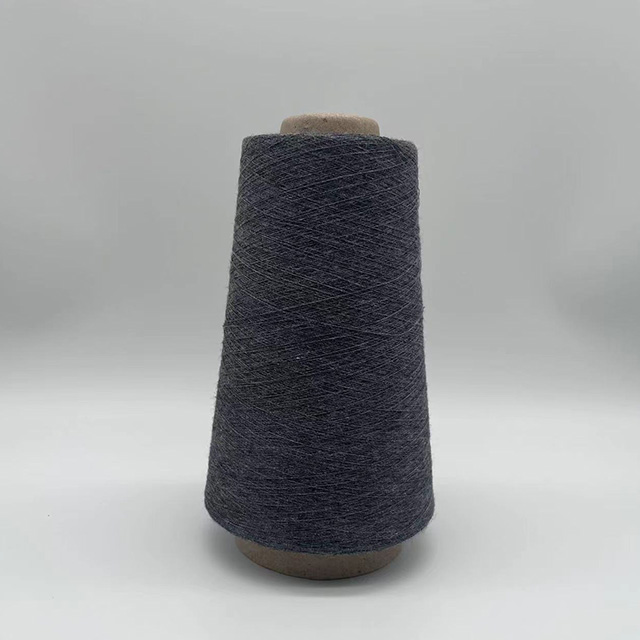
Manufacturers start by dyeing a controlled percentage of fibers while keeping others raw white. Consistency in dye absorption is crucial, as uneven dyeing results in unpredictable shade variations. This step determines the tone intensity, color harmony, and final aesthetic of the yarn.
Fiber blending ratios dramatically affect final appearance. Even a small shift in dyed fiber percentage changes the shade.
| Ratio (Raw : Dyed) | Effect | Typical Use |
|---|---|---|
| 99 : 1 | Very light heather | Premium basics |
| 95 : 5 | Classic melange | T-shirts |
| 80 : 20 | Medium contrast | Activewear |
| 50 : 50 | Strong contrast | Fashion fabrics |
Carding ensures even distribution of dyed and raw fibers. Poor carding leads to streaks or uneven color spots, which impact fabric quality. Smooth carding helps achieve the iconic melange softness and uniform spread of hues.
During spinning, blended fibers interlock while preserving tonal variation. Twist level affects strength, softness, and clarity of the melange effect. Higher twists create sharper color transitions, while lower twists produce softer gradients.
Blended melange mixes different fiber types—such as polyester-cotton or cotton-viscose—to achieve a balance between comfort and performance. These blends improve durability, moisture resistance, and shape retention, making them ideal for high-demand garments like athleisure.
Non-blended melange uses a single fiber type in different colors. This version achieves a natural, unified look while maintaining the original fiber’s characteristics. It is widely used in products such as 100% cotton melange T-shirts and sweaters where clean softness is preferred.
Specialty types include heather, snowy, neppy, marl, and siro melange. Each variant introduces a different texture or visual effect. For example, neppy melange adds small contrasting fiber capsules that create deliberate speckles, while marl yarn twists two differently colored yarns for a bold two-color appearance.
Changing dyed fiber percentages, fiber lengths, or blend colors produces noticeable differences in visual texture. Designers often request multiple strike-offs to refine color depth. Even small adjustments can shift the mood of a fabric from soft and neutral to bold and dynamic.
Melange Yarn creates depth and richness without printing or heavy finishing. Its natural transitions enhance fabric surfaces, giving garments an elevated, high-quality look that appeals to consumers looking for softness and subtlety rather than bold, flat coloration.
Depending on the blend, Melange Yarn can feel exceptionally soft, smooth, or lightly textured. Its fiber-level mixing improves airflow, helping garments stay breathable and comfortable. This makes melange ideal for base layers, sleepwear, and everyday casual apparel.
Melange Yarn’s color sits inside the fiber structure, making it less prone to fading. This benefits products that require frequent washing, such as children’s wear, activewear, and home textiles. Fabric maintains its appearance longer, reducing replacement frequency.
Melange Yarn production uses fewer chemical processes and reduces water usage by approximately 50% compared to conventional dyeing. This efficiency aligns with sustainability targets for brands seeking cleaner supply chains.
Melange Yarn can be engineered to produce smooth, brushed, neppy, metallic, or slub-like textures. This adaptability lets designers serve diverse markets without changing the core spinning method.
Because fibers are dyed before spinning, wastewater and energy usage drop significantly. This improves environmental metrics and supports sustainability certifications.
Melange effects give garments a richer visual character. The soft tone variations elevate casualwear, knitwear, lounge sets, and denim, making the fabric appear more premium with minimal cost increase.
Heather effects help disguise small knitting inconsistencies. This reduces fabric rejection rates during inspection and improves overall production efficiency.
Melange Yarn works across apparel categories, home textiles, and accessories. It complements both lightweight and heavyweight fabrics, expanding design flexibility for manufacturers.
Inconsistent dyeing leads to batch differences, which become visible in finished garments. Brands typically require tight color controls to avoid shade mismatches.
Improper fiber feeding affects color, strength, and handfeel. Accurate blending systems minimize deviation and maintain quality.
Unintended neps or foreign fibers create spots that reduce fabric quality. Proper carding and fiber cleaning are essential to avoid defects.
Manufacturers must implement strict QC at dyeing, blending, and spinning stages. Monitoring prevents errors from compounding during downstream knitting or weaving.
| Yarn Type | Coloring Method | Visual Effect | Strengths |
|---|---|---|---|
| Melange Yarn | Fiber-dyed blend | Soft heather | Eco-friendly, rich texture |
| Yarn-Dyed | Dyed after spinning | Clean, sharp | Good for stripes |
| Slub Yarn | Structural variation | Irregular | Trendy fashion looks |
| Solid Dyed | Uniform color | Flat | Cost-effective basics |
| Checking the Fiber Cross-Section | Real melange shows multi-colored fiber cores under magnification, proving fiber-level coloration. |
Color Distribution Consistency | Melange surfaces display smooth transitions. Fake melange has harsh edges or printed look. |
Recognizing Fake “Post-Dye” Melange | If a yarn shows single-color fibers or painted effects, it is not real melange. Authentic versions reveal variation throughout each fiber. |
Melange Yarn offers soft texture, stable color, and strong eco-friendly value. Its fiber-blended structure gives depth and comfort that many brands prefer. Understanding how it is made helps teams choose better materials and avoid quality issues. Companies like Fuchun Dyeing & Weaving provide reliable melange yarn solutions, offering stable performance and consistent shades that support high-quality fabric production.
A: Melange Yarn is made by blending dyed fibers and raw fibers before spinning to create a soft, natural heathered look.
A: Melange Yarn offers rich texture, stable color, and comfort, making it ideal for T-shirts, knitwear, and activewear.
A: Melange Yarn uses fiber-level color blending, giving deeper tones and better durability than post-dyed yarns.
A: Yes. Melange Yarn reduces water use and chemical waste because fibers are dyed before spinning.
A: Fiber type, blend ratios, and dyeing complexity all affect Melange Yarn pricing.


