Specializing in the field of yarn dyeing and finishing for 20 years. Contact us for customization
Please Choose Your Language

Views: 0 Author: Site Editor Publish Time: 2025-11-26 Origin: Site
Cotton yarn is one of the most popular fibers used in textiles today, but have you ever wondered if it's natural or synthetic? With the increasing focus on sustainability and the growing need for transparency in the textile industry, understanding the classification of cotton yarn is crucial for both manufacturers and consumers. In this article, we will explore whether cotton yarn is natural or synthetic, and what it means for your business when sourcing Cotton Dyed Yarn or yarn dyed cotton fabric.
Natural fibres are derived directly from plants or animals and are part of the natural ecosystem. These fibres are biodegradable and typically have minimal impact on the environment when processed correctly. Examples include cotton, linen, wool, and silk.
Cotton yarn is a classic example of a natural fibre. It is made from the seed fibres of the cotton plant, specifically the cellulose found in the cotton boll. As such, cotton yarn is inherently natural.
Synthetic fibres, on the other hand, are man-made. These fibres are created by chemically altering raw materials such as petroleum products. Examples of synthetic fibres include acrylic, polyester, and nylon. Unlike natural fibres, synthetic fibres do not biodegrade easily, contributing to environmental concerns like microplastic pollution.
While synthetic fibres can be made to mimic the look and feel of natural fibres, they often lack the environmental advantages that come with materials like cotton.
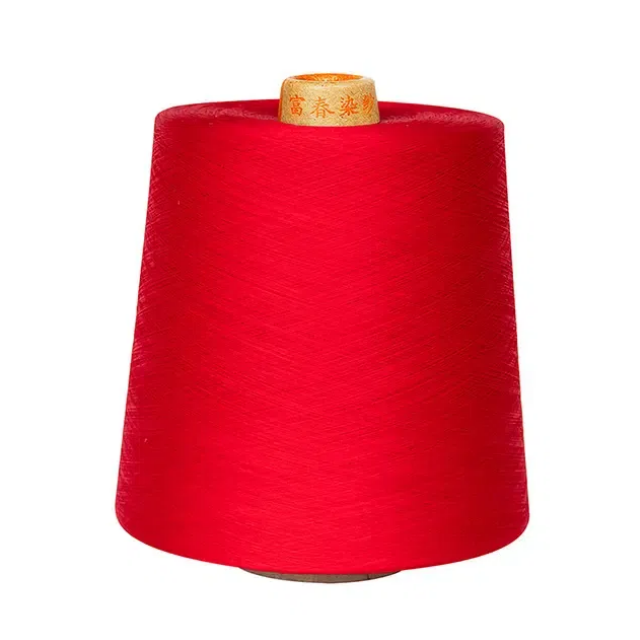
Cotton yarn, when made from pure cotton fibre, is classified as natural. This is because cotton comes directly from the cotton plant and is not chemically altered during the fibre extraction process.
However, it's important to note that cotton yarn can be blended with synthetic fibres, such as polyester or nylon, to create hybrid yarns. These blends are not considered fully natural since the synthetic component alters the yarn's fibre classification.
Key takeaway: Pure cotton yarn is natural, but when blended with synthetic fibres, it no longer holds this classification.
The distinction between natural and synthetic fibres is particularly important when working with Cotton Dyed Yarn and yarn dyed cotton fabric.
Cotton Dyed Yarn refers to yarn that has been dyed before being woven or knitted into fabric. The dyeing process is done at the yarn stage, ensuring that the colours are vibrant and long-lasting. As cotton yarn is a natural fibre, it holds the dye beautifully, making it ideal for creating richly coloured fabrics.
For businesses in the textile industry, the dyeing process and the fibre content are key factors to consider. Natural cotton yarn provides several benefits:
Breathability: Cotton yarn is naturally breathable, making it comfortable to wear.
Absorbency: It absorbs moisture well, which is ideal for products like towels and bathrobes.
Eco-Friendliness: Cotton is biodegradable, unlike synthetic yarns, which contribute to long-term environmental harm.
When sourcing Cotton Dyed Yarn or yarn dyed cotton fabric, businesses can confidently market these products as eco-friendly, natural, and breathable.
Yarn dyed cotton fabric is made using yarn that has been dyed prior to weaving or knitting. This process ensures that the colour is incorporated into the yarn, making it much more resistant to fading than piece-dyed fabrics (where the fabric is dyed after it has been woven).
The advantages of using yarn dyed cotton fabric include:
Colourfastness: Yarn-dyed fabrics tend to maintain their colour over time, making them ideal for high-quality textiles.
Durability: The dye is thoroughly absorbed into the yarn, making the fabric more resilient to washing and wear.
Premium Perception: Products made from yarn dyed cotton fabric are often seen as higher quality due to the more intensive dyeing process.
When sourcing Cotton Dyed Yarn for fabric production, there are several key factors to consider:
Ensure that the yarn is made from 100% cotton if you are aiming to market it as natural. If the yarn is blended with synthetic fibres, such as polyester, it may still offer some of the benefits of cotton, but it will not be classified as "100% natural" cotton yarn.
The method of dyeing plays a crucial role in the fabric's quality. Yarn-dyed fabrics, as opposed to piece-dyed fabrics, are often considered superior because the colour penetrates the yarn more deeply. This results in more durable, high-quality fabric.
Cotton is often touted as an eco-friendly alternative to synthetic fibres due to its biodegradability. However, cotton farming does require significant water and pesticide use, which can have environmental impacts. When sourcing Cotton Dyed Yarn or yarn dyed cotton fabric, it’s important to ensure that the cotton is sourced sustainably. Look for certifications such as Organic Cotton or Fair Trade to ensure that the cotton was produced responsibly.
While Cotton Dyed Yarn offers excellent comfort, absorbency, and breathability, cotton fabrics do tend to wrinkle and shrink more easily than synthetic fibres. Consider whether the fabric’s end use requires these properties. If durability and resistance to wrinkles are more important, synthetic blends might be more appropriate.
Here are viewpoints from several textile industry sources regarding the classification of cotton yarn:
KnitPal: Cotton yarn is described as a natural fibre derived from the cotton plant. The platform emphasizes that cotton is a soft, breathable, and versatile natural fibre ideal for many textile applications.
OffTheBeatenHook: This platform contrasts cotton yarn with synthetic yarns, highlighting that cotton is biodegradable and does not shed microplastics like synthetic yarns.
CottonWorks: A reliable industry source that reaffirms that cotton is a natural fibre, making it a sustainable choice compared to synthetic alternatives.
ScienceDirect: Describes cotton yarn as a natural fibre product, but notes that it can be blended with synthetics to create various types of yarns for different applications.
Textile-Yarn: Reinforces that cotton yarn is a natural fibre that has been used for centuries due to its comfort, softness, and natural properties.
A: No, cotton yarn made from the cotton plant is always natural. However, cotton yarn can be blended with synthetic fibres, in which case it is not classified as fully natural.
A: No, dyeing cotton yarn does not change its fibre classification. The yarn remains natural as long as it is made from cotton.
A: No, blends with synthetic fibres cannot be marketed as "100% natural." They should be classified as cotton-blended yarn.
A: Yarn dyed cotton fabric offers superior colourfastness, durability, and a premium appearance. It is made from cotton yarn that has been dyed before being woven, ensuring long-lasting, vibrant colours.
A: Cotton is biodegradable and is a natural, renewable resource, unlike synthetic yarns, which do not biodegrade and contribute to microplastic pollution. However, cotton farming can have environmental impacts, so sustainable sourcing is key.
In conclusion, Cotton Dyed Yarn is classified as natural yarn when it is made from 100% cotton. Its eco-friendly properties, including biodegradability and lack of microplastic shedding, make it an attractive choice for businesses and consumers alike. However, blending cotton with synthetic fibres can change its classification. When sourcing yarn dyed cotton fabric or Cotton Dyed Yarn, it’s important to verify the fibre content, dyeing method, and sustainability credentials to ensure you are sourcing high-quality, eco-friendly products.


