Specializing in the field of yarn dyeing and finishing for 20 years. Contact us for customization
Please Choose Your Language

Views: 0 Author: Site Editor Publish Time: 2025-11-06 Origin: Site
In recent years, sustainability has become a driving force in the global textile industry. As consumers and manufacturers strive to reduce their environmental footprint, recycled fibers—particularly recycled polyester—have gained immense popularity. But many people still wonder: Is recycled polyester a man-made fiber?
The short answer is yes—recycled polyester is a man-made fiber, but it’s also a sustainable alternative to virgin synthetic fibers. In this article, we’ll explore what recycled polyester is, how it’s made, its environmental benefits, and how it compares to traditional fibers used in textiles.
Recycled fibers are textile fibers produced by reusing waste materials—either pre-consumer waste (such as leftover yarns, offcuts, or defective fabrics) or post-consumer waste (like discarded garments, used textiles, or plastic bottles).
These fibers play a crucial role in sustainable textile production by reducing waste, conserving resources, and minimizing the industry’s carbon footprint.
Recycled fibers can be categorized into two main groups:
Recycled natural fibers, such as recycled cotton, wool, or silk.
Recycled synthetic fibers, such as recycled polyester, nylon, or acrylic.
Both categories help divert waste from landfills and promote circular economy principles in the textile sector.
Recycled polyester—often abbreviated as rPET (recycled polyethylene terephthalate)—is a fiber made by reprocessing used PET materials, such as plastic bottles and packaging, into new textile fibers.
In essence, rPET gives new life to plastic waste, turning it into a durable and versatile fabric used in clothing, home textiles, and industrial applications.
Most recycled polyester originates from post-consumer PET bottles, though some manufacturers also use post-industrial waste (like fabric scraps from production lines).
These plastics share the same base polymer as traditional polyester, allowing them to be melted and spun into new fibers.
The process of producing recycled polyester involves several key stages. There are two primary production methods: mechanical recycling and chemical recycling.
This is the most common method for producing rPET.
Collection and Sorting – Used plastic bottles or waste polyester fabrics are collected, cleaned, and sorted by color and type.
Shredding – The materials are shredded into small flakes.
Melting and Extrusion – The flakes are melted down and extruded into long filaments.
Spinning into Fibers – These filaments are cooled, drawn, and spun into yarns that can be woven or knitted into fabrics.
Mechanical recycling is relatively simple and energy-efficient, but each recycling cycle can slightly reduce fiber strength and quality.
In chemical recycling, waste polyester is broken down to its molecular level and then re-polymerized to form new polyester.
Depolymerization – The polyester waste is treated with chemicals to break it into monomers.
Purification – Impurities are removed to restore the polymer to near-virgin quality.
Repolymerization – The purified monomers are polymerized to create new polyester chips, which are then melted and spun into fibers.
Chemical recycling yields higher-quality fibers but requires more energy and higher production costs. However, it can process lower-grade or mixed waste that mechanical recycling cannot handle.
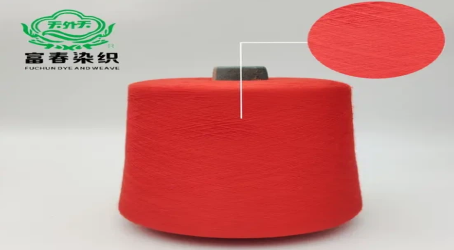
Despite its eco-friendly image, recycled polyester remains a synthetic, man-made fiber. It’s created through industrial processing rather than directly sourced from nature.
Here’s why:
It’s derived from polyethylene terephthalate (PET), a petrochemical-based polymer.
Even though the raw material (plastic) is being reused, the fiber formation process still involves melting, extrusion, and spinning, all of which are artificial.
Like virgin polyester, it does not naturally occur in the environment and requires manufactured synthesis.
In other words, recycled polyester is both sustainable and synthetic—a “green” version of a man-made material.
The rising global interest in recycled polyester (rPET) is not just a passing trend — it represents a significant shift toward sustainable textile manufacturing. The production and use of recycled polyester bring multiple environmental benefits, addressing some of the biggest ecological challenges caused by the fashion and plastic industries. Below are some of the most important advantages, explained in greater detail:
Perhaps the most visible environmental benefit of recycled polyester is its contribution to plastic waste reduction. Every year, billions of plastic bottles are discarded worldwide, with a large percentage ending up in landfills or polluting oceans. Recycled polyester provides a practical solution by transforming this waste into valuable textile fibers.
For every ton of rPET produced, approximately 60,000 plastic bottles are diverted from landfills, significantly reducing the burden on waste management systems. In addition to cutting down visible waste, the recycling process helps prevent plastic from breaking down into microplastics, which can harm marine life and ecosystems. By closing the loop between waste and resource, recycled polyester transforms an environmental liability into a sustainable asset.
Producing recycled polyester requires up to 50% less energy than manufacturing virgin polyester. The primary reason is that rPET production eliminates the need for petroleum extraction, refining, and polymerization, which are highly energy-intensive processes.
This energy efficiency translates into lower operational costs and a smaller environmental footprint. It also aligns with global efforts to transition to cleaner production methods and renewable energy sources, making rPET a preferred material for brands committed to sustainability.
In addition to energy savings, recycled polyester production generates 30–40% fewer greenhouse gas emissions than virgin polyester. This reduction is crucial for mitigating climate change, as the textile industry is among the world’s largest contributors to CO₂ emissions.
By minimizing the need for new raw materials and energy-intensive manufacturing, rPET production significantly decreases its carbon footprint. The more recycled polyester replaces virgin fibers, the greater its positive cumulative effect on global emission reduction goals.
Another key advantage of recycled polyester is its ability to conserve finite natural resources, particularly petroleum, which serves as the base material for virgin polyester. Since rPET uses existing plastic waste as feedstock, it reduces dependence on fossil fuels and minimizes the environmental degradation associated with raw material extraction.
Furthermore, recycling plastic bottles and textile waste helps lower the consumption of water and chemicals often required in conventional polyester manufacturing, making it a more resource-efficient option.
Recycled polyester plays a vital role in promoting a circular economy — an industrial system where materials are reused, regenerated, and recycled continuously rather than discarded after a single use. This model helps extend the lifespan of resources, reduce landfill waste, and encourage responsible consumption patterns.
Feature | Virgin Polyester | Recycled Polyester (rPET) |
Source | Petroleum-based raw materials | Post-consumer plastic bottles or waste fabrics |
Environmental Impact | High – requires oil extraction and emits more CO₂ | Lower – reuses plastic waste, conserves energy |
Energy Use | High | Up to 50% less energy |
Durability | Strong and consistent | Slightly lower with mechanical recycling |
Texture & Feel | Smooth, versatile | Comparable to virgin polyester |
Sustainability | Non-renewable, resource-intensive | Eco-friendly, circular production |
As seen in the comparison, recycled polyester offers nearly identical performance characteristics to virgin polyester, making it a preferred sustainable choice for many brands and consumers.
Recycled polyester is used across a wide range of industries due to its strength, versatility, and sustainability. Common applications include:
Clothing: Sportswear, outerwear, casual apparel, and eco-friendly fashion lines.
Home Textiles: Bedding, curtains, upholstery, and carpets.
Industrial Textiles: Automotive interiors, ropes, and conveyor belts.
Outdoor Gear: Backpacks, tents, and sleeping bags.
Major global brands are increasingly integrating recycled polyester into their product lines, aiming to achieve 100% recycled or sustainable material targets in the coming years.
Despite its advantages, recycled polyester faces several challenges that limit its widespread adoption:
Like all synthetic fibers, recycled polyester can shed microplastics during washing, which eventually enter waterways. While it reduces macro-level plastic waste, microplastic pollution remains an ongoing concern.
Mechanical recycling can reduce fiber strength and elasticity over time. This makes rPET slightly less durable than virgin polyester after multiple recycling cycles.
Not all regions have the necessary collection and recycling systems to efficiently process post-consumer waste into rPET. Establishing global recycling networks is essential for scaling production.
Though energy-saving, the initial setup and sorting processes can make recycled polyester more expensive than virgin alternatives, especially in regions with low recycling rates.
So, is recycled polyester a man-made fiber?
Yes—it is a man-made fiber with a sustainable twist. Although it’s synthetic in origin, recycled polyester plays an essential role in the transition toward more eco-conscious textile production.
It offers the strength, versatility, and performance of virgin polyester while dramatically reducing environmental impact. By reusing waste materials, saving energy, and cutting carbon emissions, recycled polyester stands as a powerful example of how innovation and sustainability can coexist in modern manufacturing.
If your business is looking to incorporate recycled fibers into your textile products, consider partnering with reliable manufacturers who specialize in sustainable materials.
To learn more about high-quality recycled polyester fabrics and sustainable textile solutions, visit Wuhu Fuchun Dyeing & Weaving Co., Ltd. — a trusted provider of eco-friendly fibers and fabrics. You can also reach out to their professional team for consultation or cooperation opportunities in developing customized recycled fiber products.


