Specializing in the field of yarn dyeing and finishing for 20 years. Contact us for customization
Please Choose Your Language

Views: 0 Author: Site Editor Publish Time: 2025-12-17 Origin: Site
The melange yarn manufacturing process plays a crucial role in determining the quality, texture, and appearance of the finished product. This process is different from the traditional yarn manufacturing methods, and understanding it can help both manufacturers and consumers appreciate the unique qualities of melange yarn. In this article, we will take a closer look at the stages of producing melange yarn, highlighting how each step contributes to the overall characteristics of this versatile material.
The production of melange yarn involves several key stages, each of which contributes to the yarn's final quality and aesthetic appeal. The process begins with fiber selection and preparation, followed by dyeing, spinning, and finishing. The choice of materials and techniques used throughout each stage ensures that melange yarn stands out for its unique multi-tonal look and superior performance.
Fiber Selection: The first step in melange yarn production is selecting the raw fibers. These fibers are then carefully prepared and blended to create the desired color effects.
Dyeing: Unlike regular yarns, melange yarn is typically dyed at the fiber stage before spinning. This ensures that the colors blend in a natural, heathered pattern.
Spinning: The dyed fibers are then spun into yarn using either ring spinning or open-end (OE) spinning methods. These techniques determine the texture and strength of the final yarn.
Finishing: After spinning, the yarn undergoes a series of finishing processes, including twisting, winding, and steaming, to ensure consistency in color and strength.
Quality Control: Throughout the process, quality control measures are employed to inspect the yarn for defects, ensuring that the final product meets the required standards.
The foundation of melange yarn lies in the careful selection of fibers. This stage determines not only the appearance but also the performance characteristics of the finished yarn.
One of the key decisions in melange yarn production is whether to use raw (undyed) fibers or dyed fibers. Raw fibers are typically selected for their natural qualities, while dyed fibers are chosen for their ability to create a specific color effect. In some cases, a mix of both raw and dyed fibers may be used to achieve a desired effect.
Once the fibers are chosen, they undergo a carding process where they are combed to align the fibers and remove impurities. After carding, the fibers are blended to achieve the desired color ratios. The blending process is crucial in ensuring that the yarn has a consistent color distribution, creating the signature melange effect.
One of the most significant steps in creating melange yarn is dyeing the fibers before they are spun into yarn. This method distinguishes melange yarn from standard dyed yarns and is essential to achieving the true melange effect.
Dyeing the fibers before spinning allows for a more natural, integrated color effect. The fibers take on the dye in varying degrees, resulting in a subtle, heathered look. This contrasts with traditional yarn dyeing methods, where the yarn is dyed after it is spun, creating a uniform color.
While post-production dyeing can be used to color yarn, it does not provide the same depth of color variation that is characteristic of melange yarn. Using dyed fibers in the production process ensures that the yarn has an authentic, true melange look. Post-production dyeing can sometimes result in a "fake melange" effect, where the color is too uniform and lacks the depth that melange yarn is known for.
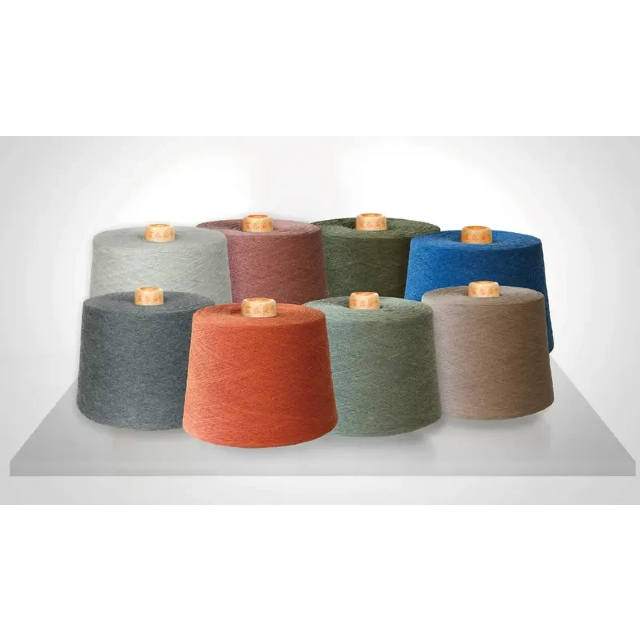
The spinning process is crucial to the creation of melange yarn, as it influences both the texture and strength of the final product. There are two main methods used for spinning melange yarn: ring spinning and open-end (OE) spinning.
Ring spinning is the more traditional method, producing smooth, fine yarn with a strong twist. This method creates a more consistent texture and is often used for high-quality melange yarns.
Open-end (OE) spinning, on the other hand, is a more modern method that produces a more textured, bulkier yarn. This technique is faster and more cost-effective but may result in a yarn that is slightly weaker than ring-spun yarn. The choice between these two methods depends on the desired characteristics of the final product.
The method of spinning affects both the texture and strength of the yarn. Ring-spun yarn tends to be finer and more durable, while OE-spun yarn has a thicker texture but may be less strong. Manufacturers must choose the spinning method based on the intended use of the yarn and the desired properties of the fabric.
Once the yarn has been spun, it undergoes several finishing processes to ensure that it meets quality standards. These steps are crucial in refining the yarn and ensuring its consistency and durability.
The yarn is carefully inspected for any defects or inconsistencies. Any imperfections found are corrected before the yarn moves on to the twisting and winding stages. Twisting is used to strengthen the yarn, while winding prepares it for use in weaving or knitting. Finally, steaming is used to set the twist and ensure that the yarn holds its shape.
Throughout the manufacturing process, special care is taken to ensure that the melange yarn maintains a consistent color and strength. This is achieved through strict quality control measures, including regular inspections and testing. The goal is to produce yarn that is not only aesthetically pleasing but also durable and strong enough to withstand the rigors of everyday use.
In recent years, there has been a growing focus on sustainability and efficiency in the yarn manufacturing industry. Melange yarn production offers several environmental advantages over traditional yarn manufacturing processes.
One of the key benefits of melange yarn production is the reduced use of water and energy. Because the yarn is dyed at the fiber stage, less water and energy are required compared to post-production dyeing processes. This makes melange yarn a more sustainable option for manufacturers looking to reduce their environmental impact.
In addition to reducing water and energy consumption, melange yarn production also emphasizes effective waste management. The use of high-quality fibers and efficient blending techniques minimizes waste, while recycling and reusing materials help to further reduce the environmental footprint of the manufacturing process.
The melange yarn manufacturing process is a carefully orchestrated series of steps that contribute to the yarn's distinctive texture, color, and performance characteristics. From the selection and blending of fibers to the spinning and finishing processes, every stage plays a crucial role in ensuring the quality and appearance of the final product. As consumers and manufacturers become more aware of the importance of sustainability, melange yarn stands out as an environmentally friendly option that offers both aesthetic appeal and practical benefits.
If you're interested in learning more about melange yarn, or how it can enhance your products, contact us at Wuhu Fuchun Dyeing & Weaving Co., Ltd. Our expertise in producing high-quality yarns ensures that we can provide the perfect solutions for your textile needs.
What is the melange yarn manufacturing process?
The melange yarn manufacturing process involves selecting and preparing fibers, dyeing them at the fiber stage, spinning them into yarn, and finishing the product to ensure consistency in color and strength.
How does the fiber-dyeing process benefit melange yarn production?
Dyeing at the fiber stage before spinning creates a more natural, heathered color effect and uses less water and energy compared to post-production dyeing.
What are the main spinning methods used in melange yarn production?
The main spinning methods are ring spinning and open-end (OE) spinning. Each method affects the yarn's texture and strength, with ring spinning producing a finer, stronger yarn and OE spinning producing a bulkier, more textured yarn.
What makes melange yarn different from regular yarn?
Unlike regular yarn, which is typically made from a single fiber type and color, melange yarn is created by blending different fibers and colors, resulting in a unique, multi-tonal effect that is both visually striking and durable.


