Specializing in the field of yarn dyeing and finishing for 20 years. Contact us for customization
Please Choose Your Language

Dyed yarn is a crucial concept in the textile industry, especially for cotton fabrics. By understanding dyed yarn and its various types, such as Cotton Dyed Yarn and hand dyed cotton yarn, textile buyers and manufacturers can make informed decisions that impact the quality, durability, and overall appeal of their fabrics. In this article, we'll explore what dyed yarn is, why it's essential for cotton textiles, and how Cotton Dyed Yarn stands out in the market.
Dyed yarn refers to yarn that has been coloured during or after the spinning process but before it is woven or knitted into fabric. The dyeing process allows for the yarn to absorb the colour deeply, providing long-lasting and vibrant hues. There are various methods of dyeing yarn, including pre-dyeing before weaving and post-dyeing after weaving into fabric.
When it comes to Cotton Dyed Yarn, this specifically refers to cotton yarn that has been dyed before being woven into fabric. Cotton is an excellent choice for dyeing because of its absorbency and ability to hold colour well. Hand dyed cotton yarn takes this a step further, involving a manual process where artisans carefully dye each strand of yarn, resulting in unique colour variations and textures.
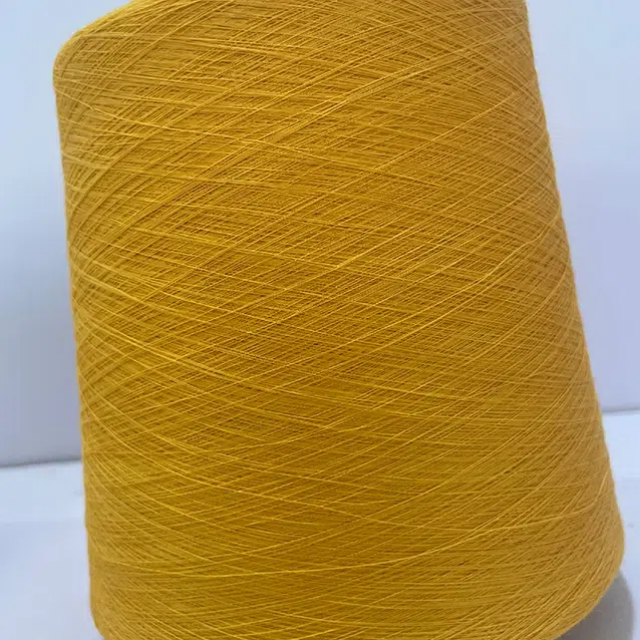
Dyed yarn plays a vital role in cotton textiles for several reasons. One of the primary benefits is colour fastness, which ensures that the colour of the fabric stays vibrant even after repeated washing. The deeper the dye penetrates the yarn, the more resistant it is to fading.
Another significant advantage is the integrated pattern design. Since the yarn is dyed before weaving, the colour is evenly distributed throughout the fabric, which results in clear and precise patterns, such as checks, stripes, and plaids. This is especially valuable in industries like fashion and home textiles, where intricate patterns are often required.
For Cotton Dyed Yarn, the dyeing process enhances the cotton’s ability to retain its shape and texture over time. Additionally, the yarn's dye ensures that the colour remains consistent throughout the fabric, making it ideal for premium products like shirts, bed linens, and upholstery.
Hand dyed cotton yarn stands out because it brings a unique, artisanal touch to the cotton fabric. Each piece of yarn is dyed by hand, making each batch different. This adds exclusivity to the fabric, especially in high-end, custom, or limited-edition textile lines.
The production of Cotton Dyed Yarn starts with spinning the raw cotton into yarn. The yarn is then dyed in various methods, such as:
Skein dyeing: The yarn is wound into skeins and then dyed in a large dye bath.
Package dyeing: The yarn is wound onto spools or cones and dyed in large vessels.
Beam dyeing: A dyeing method where yarn is dyed while still on a beam, often used for large volumes.
After the yarn is dyed, it goes through a process of rinsing, drying, and inspection. Finally, the dyed yarn is wound back into a form that is ready for weaving or knitting into fabric.
For hand dyed cotton yarn, the process involves small batches of yarn dyed by artisans, often in a more controlled environment. This ensures that each piece of yarn has its unique variations in colour, adding character and originality to the final product.
There are several dyeing methods in the textile industry, and each offers its own advantages. Here’s a comparison of dyed yarn versus other popular methods:
Yarn Dyed: The yarn is dyed before being woven or knitted into fabric. This method offers vibrant colours and a higher level of colour fastness. It’s ideal for fabrics with patterns such as checks, stripes, or plaids.
Piece Dyed: The fabric is woven first and then dyed. While this method is cost-effective and quicker, it may not offer the same level of precision in pattern or colour retention as yarn-dyed fabrics.
Printed Fabric: In this method, a design is printed onto the fabric's surface. While this allows for more complex designs and colours, the durability of the print is not as long-lasting as yarn-dyed fabric.
Cotton Dyed Yarn typically offers better quality and durability than piece-dyed or printed fabric. The colour is more integrated into the fabric, meaning that it will retain its vibrancy longer, even with repeated washes.
Hand dyed cotton yarn, while more expensive, is ideal for special projects where the uniqueness and craftsmanship of the yarn are important. The slight variations in colour and texture make it a perfect choice for custom or limited-edition products.
Cotton Dyed Yarn is widely used across different textile industries, especially in applications that require long-lasting colour and clear, defined patterns. Some of the most common uses include:
Shirting fabrics: Stripes, checks, and plaids are often made from Cotton Dyed Yarn for superior colour integration.
Home textiles: Items like bed linens, curtains, and upholstery often use yarn-dyed cotton for its durability and colour vibrancy.
Accessories: Scarves, bags, and other accessories can be made using Cotton Dyed Yarn, especially for products that require intricate patterns or vibrant colour schemes.
For hand dyed cotton yarn, its applications are typically in the niche markets of artisanal and custom-made textiles. It is commonly used in:
Artisanal knitwear: Due to the unique nature of each hand-dyed batch, knitters and crocheters often prefer this yarn for making one-of-a-kind items.
Premium fabrics: Designers seeking exclusive, limited-edition textiles may opt for hand dyed cotton yarn to create standout pieces.
The market for Cotton Dyed Yarn is driven by the need for high-quality, sustainable fabrics that last longer, while the hand dyed cotton yarn market caters to the growing demand for artisanal, customizable, and eco-conscious textiles.
Superior durability and colour retention: Cotton Dyed Yarn resists fading and provides long-lasting vibrant colours.
High-quality finish: The pre-dyeing process integrates colour into the fabric, making it ideal for detailed patterns like stripes and plaids.
Brand differentiation: Offering products made from Cotton Dyed Yarn or hand dyed cotton yarn helps brands stand out in the market for their quality and craftsmanship.
Higher cost: Dyeing the yarn before weaving can increase the production cost, which may be a consideration for large-scale manufacturers.
Lead times: The process of dyeing the yarn before weaving or knitting means longer lead times, particularly for hand dyed cotton yarn, which requires small-batch processes.
For B2B buyers, it’s essential to weigh the benefits of quality and differentiation against the higher costs and longer lead times associated with Cotton Dyed Yarn and hand dyed cotton yarn.
When sourcing Cotton Dyed Yarn, it’s important to understand the key specifications:
Yarn count/denier: Defines the thickness of the yarn, which impacts the final fabric’s feel and weight.
Dyeing method: Ensure that the yarn has been dyed according to the desired method (skein, package, beam, or hand-dyed).
Colour fastness: Ask for laboratory tests that ensure the yarn will retain its colour even after washing.
Batch consistency: Especially for hand dyed cotton yarn, confirm that the supplier can provide consistent results across larger orders.
For hand dyed cotton yarn, you may need to discuss the batch size, colour variations, and the artisan process with your supplier to ensure you’re getting the desired results.
Dyed yarn, specifically Cotton Dyed Yarn, plays an important role in the textile industry by providing long-lasting, vibrant colours and intricate designs that piece-dyed fabrics can’t match. Whether you’re sourcing Cotton Dyed Yarn for mass production or looking for unique products made from hand dyed cotton yarn, understanding the production process, benefits, and limitations can help you make the right choice for your business. By specifying quality criteria and sourcing from reputable suppliers, you can ensure that the dyed yarn you choose meets your brand's standards for performance and aesthetics.


