Specializing in the field of yarn dyeing and finishing for 20 years. Contact us for customization
Please Choose Your Language

Views: 0 Author: Site Editor Publish Time: 2025-12-30 Origin: Site
Have you ever wondered what makes weaving yarn unique? Understanding its definition and purpose is essential for textile enthusiasts. In this article, we’ll explore the importance of weaving yarn in textile creation and how it differs from knitting and crocheting yarn.
Weaving yarn comes in various types, each offering unique characteristics and benefits. Let’s dive into the primary categories: natural fibers, synthetic fibers, and blended fibers.
Natural fibers like cotton, linen, and wool are popular choices for weaving projects.
● Cotton: Soft and breathable, cotton yarn is perfect for lightweight fabrics. It’s commonly used in making tablecloths and shirts.
● Linen: Known for its strength and durability, linen has a crisp texture. It’s often used in high-quality garments and home textiles.
● Wool: This fiber provides warmth and elasticity, making it ideal for cozy blankets and winter apparel.
Fiber Type | Characteristics | Common Uses |
Cotton | Soft, breathable | Tablecloths, shirts |
Linen | Strong, crisp | Garments, home textiles |
Wool | Warm, elastic | Blankets, winter apparel |
On the other hand, synthetic fibers such as polyester, nylon, and acrylic have their own set of advantages and disadvantages.
● Polyester: Durable and resistant to shrinking, it’s great for outdoor fabrics.
● Nylon: Known for its strength and elasticity, nylon is often used in upholstery.
● Acrylic: Lightweight and warm, acrylic mimics wool but is easier to care for.
While synthetic fibers can be more affordable, they may lack the breathability of natural options. They are preferred in situations where durability and weather resistance are crucial.
Blended fibers combine the best of both worlds. For instance, cotton-polyester blends offer the softness of cotton with the durability of polyester. Wool-acrylic blends provide warmth while being cost-effective.
These blends are popular in various weaving projects, allowing for versatility in texture and functionality.
When selecting weaving yarn, several characteristics come into play, including strength, ply, twist, and smoothness.
Strength is a vital characteristic of weaving yarn. It ensures that the finished product can withstand wear and tear. Compared to knitting and crocheting yarns, weaving yarn typically has higher tensile strength, which enhances the longevity of woven items.
For instance, a sturdy fabric made from strong yarn will last longer than one made from weaker fibers. This is especially important in items like upholstery and rugs that experience frequent use.
Ply refers to the number of strands twisted together to make the yarn. Single-ply yarn is lighter and softer, while multi-ply yarn offers more strength and durability.
● Single-ply: Ideal for delicate fabrics.
● Multi-ply: Best for robust projects needing extra strength.
The twist of the yarn also affects its performance. A tighter twist can enhance durability, while a looser twist may offer greater flexibility. Choosing the right ply and twist depends on the specific requirements of your weaving project.
Smoothness is another crucial factor when selecting weaving yarn. A smooth yarn glides easily through the loom, allowing for more precise weaving.
Compared to other types of yarn, weaving yarn is often smoother, which reduces friction and enhances the overall quality of the fabric. Sizing treatments can further improve smoothness, making the yarn easier to work with and enhancing the final product's appearance.
In conclusion, understanding the types and characteristics of weaving yarn is essential for any weaver. By knowing the strengths and applications of different fibers, you can choose the right materials for your projects.
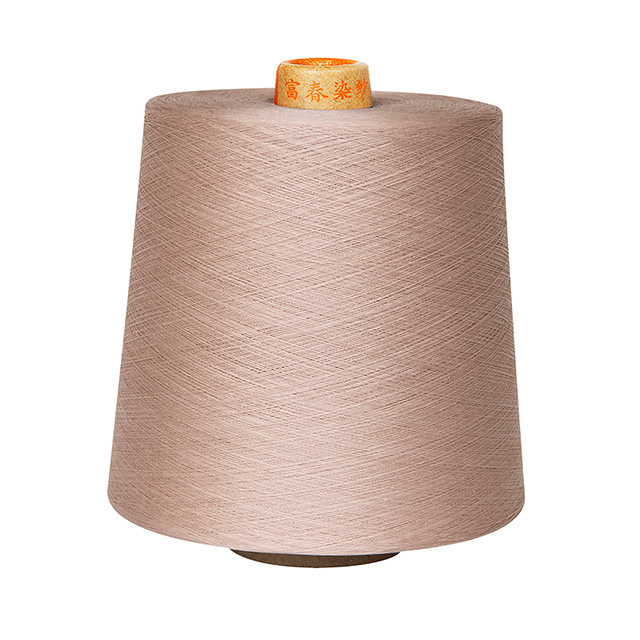
Strength is a crucial feature of weaving yarn, impacting both the durability and functionality of the final product. The tensile strength of a yarn determines how well it can withstand tension and stress during weaving and use.
Several factors influence yarn strength, including fiber type, ply, and twist. For example, natural fibers like wool have inherent strength, while synthetic fibers like nylon can offer even greater tensile strength. Ply, or the number of strands twisted together, also plays a significant role. A multi-ply yarn can enhance strength, making it suitable for high-wear applications.
Fiber Type | Tensile Strength | Common Uses |
Wool | Moderate | Garments, blankets |
Nylon | High | Upholstery, outdoor fabrics |
Cotton | Moderate | Shirts, table linens |
In real-world applications, the strength of weaving yarn is vital. For instance, rugs require strong yarn to resist wear from foot traffic, while delicate fabrics like shawls need less strength but still require adequate durability to prevent tearing.
The ply of weaving yarn significantly affects the visual and tactile qualities of woven fabrics. A higher ply count generally results in a thicker, more robust fabric, which is desirable for items like rugs and upholstery. Conversely, lower ply counts create softer, more delicate fabrics suitable for shawls and lightweight garments.
● Rugs: 3-6 ply for durability and thickness.
● Shawls: 1-2 ply for softness and drape.
● Upholstery: 4-8 ply to ensure strength and longevity.
Twist is another essential aspect, influencing how the yarn behaves during weaving. A balanced twist creates a stable yarn that holds its shape, while an uneven twist can lead to fabric distortion. Achieving the right balance of twist is key to obtaining the desired characteristics in the finished fabric.
Smoothness is vital when it comes to threading yarn through looms. A smooth yarn glides effortlessly, reducing friction and making the weaving process more efficient. This smoothness can significantly impact the quality of the finished product.
When comparing smooth and textured yarns, the differences in the final appearance and feel are noticeable. Smooth yarns typically create a sleek, polished look, while textured yarns can add depth and interest to the fabric.
To assess smoothness when selecting yarn, consider the following:
● Feel: Run the yarn through your fingers to gauge its texture.
● Finish: Look for yarns that have been treated for enhanced smoothness, such as those with sizing.
● Comparison: Test different yarns side by side to see how they perform in your weaving project.
By understanding these key features, we can make informed choices about weaving yarn, ensuring that our projects not only look great but also stand the test of time.
Choosing the right weaving yarn is essential for achieving the desired results in your projects. Several factors come into play when making this decision, ensuring that the yarn meets your specific needs.
When selecting yarn, the first step is to assess your project requirements. Consider the type of fabric you want to create and its intended use. For example, if you're weaving a tablecloth, you might need a durable cotton yarn, while a delicate shawl may require a softer wool blend.
Yarn weight and thickness are also critical. Yarn weights range from lace to bulky, affecting how the fabric drapes and feels. A thicker yarn can create a sturdy fabric, while a lighter yarn is perfect for airy designs.
Yarn Weight | Description | Common Uses |
Lace | Very thin | Shawls, fine fabrics |
Worsted | Medium thickness | Sweaters, blankets |
Bulky | Thick | Rugs, outerwear |
Next, consider the fiber content. Different fibers can dramatically alter the final product's texture and durability. For instance, cotton is breathable and strong, while acrylic is lightweight and easy to care for. Understanding yarn counts is also vital, as they help you determine the thickness of the yarn and its suitability for your project.
If you're new to weaving, selecting yarn can feel overwhelming. Here are some helpful tips to guide you:
1. Recommended Yarns: Start with versatile yarns like cotton or wool blends. These fibers are forgiving and work well for various projects.
2. Common Mistakes: One common mistake is choosing yarn solely based on color without considering its weight or fiber content. Always match the yarn to your project needs.
3. Learning Resources: Many online platforms offer tutorials and forums where you can learn more about weaving. Websites like YouTube and dedicated crafting blogs can be invaluable.
4. Importance of Sampling: Before committing to a large project, sample different yarns. Weaving a small swatch allows you to test how the yarn behaves and looks in your design.
By keeping these factors and tips in mind, you can confidently select the right weaving yarn for your projects, ensuring both success and satisfaction in your weaving journey.
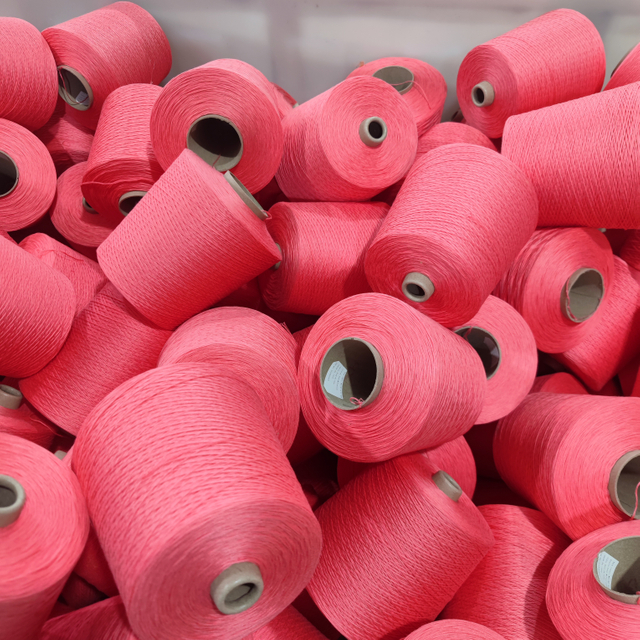
Weaving yarn has a wide range of applications across various sectors, showcasing its versatility and importance. From home textiles to industrial uses, the right yarn can enhance functionality and aesthetics in numerous ways.
Weaving yarn is commonly used in creating home textiles, which include items like curtains, towels, and table linens. These products benefit from the durability and aesthetic appeal of woven fabrics. For instance, cotton yarn is often chosen for towels due to its absorbency and softness, while linen yarn is favored for curtains because of its light, airy quality.
Home Textile | Common Yarn Types | Benefits |
Curtains | Linen, Cotton | Breathable, stylish |
Towels | Cotton | Highly absorbent, durable |
Table Linens | Cotton, Blends | Easy to clean, elegant appearance |
Durability is a significant advantage of using weaving yarn in home projects. Woven textiles tend to hold up well against wear and tear, making them ideal for everyday use. Additionally, maintenance is straightforward; most woven fabrics can be machine washed and dried, ensuring they remain in good condition for years.
In the world of fashion, weaving yarn plays a crucial role in clothing production. Sweaters, dresses, and various garments often utilize woven fabrics for their structure and comfort. For example, wool yarn is popular for sweaters due to its warmth and elasticity, while cotton blends are favored for lightweight dresses.
Accessories also benefit from weaving yarn. Scarves, bags, and hats made from woven materials not only look stylish but also provide functionality. The trend toward sustainable fashion has led many designers to explore eco-friendly weaving yarns, such as organic cotton and recycled fibers, reflecting a growing awareness of environmental impact.
Weaving yarn is not limited to home and fashion; it also has significant applications in industrial settings. Industries utilize woven textiles for automotive interiors, geotextiles, and even filtration systems. High-quality weaving yarn is essential in these applications, as it ensures strength and durability under demanding conditions.
Industrial Application | Yarn Type | Advantages |
Automotive Textiles | Polyester, Nylon | Strong, resistant to wear |
Geotextiles | Polypropylene | Durable, effective in soil stabilization |
Filtration Systems | Synthetic Blends | High performance, reliability |
Innovations in industrial weaving yarn technology continue to evolve, leading to the development of specialized yarns that meet specific performance criteria. These advancements help industries improve efficiency and product longevity, making weaving yarn a vital component in modern manufacturing processes.
By understanding the diverse applications of weaving yarn, we can appreciate its significance in enhancing the quality and functionality of various products across different sectors.
Weaving yarn offers essential characteristics and benefits, including strength, durability, and versatility. These features make it suitable for various applications in home textiles, fashion, and industrial uses. Readers are encouraged to experiment with different types of weaving yarn, discovering their unique qualities. Sharing experiences and projects can enhance the weaving community. For those seeking high-quality weaving yarn, Fuchun provides exceptional products that deliver value and performance, ensuring satisfaction in every project.
A: Weaving yarn is a type of yarn specifically designed for weaving fabrics. It comes in various fibers, weights, and strengths.
A: Consider the fabric type, intended use, and yarn weight when selecting weaving yarn. These factors will influence the final outcome.
A: Weaving yarn offers durability and aesthetic appeal, making it ideal for items like curtains and towels.
A: The strength of weaving yarn ensures that the finished fabric can withstand wear and tear, enhancing longevity.
A: Weaving yarn is typically stronger and smoother than knitting yarn, making it suitable for different applications.


