Specializing in the field of yarn dyeing and finishing for 20 years. Contact us for customization
Please Choose Your Language

Views: 0 Author: Site Editor Publish Time: 2025-11-11 Origin: Site
As the textile industry shifts toward sustainability and environmental responsibility, recycled fibers have become a cornerstone of modern fabric production. These fibers, derived from reprocessed materials such as plastic bottles, discarded textiles, and industrial waste, are helping to reshape how we think about clothing, manufacturing, and environmental stewardship. But what exactly are recycled fibers? How are they made, and why are they important for the future of sustainable fashion and textiles?
Recycled fibers are fibers produced from previously used materials rather than from virgin raw materials like petroleum or cotton plants. Instead of allowing post-consumer or post-industrial waste to end up in landfills or oceans, these materials are collected, processed, and transformed back into usable textile fibers.
Recycled fibers can come from two main sources:
Post-consumer waste: Items like old clothing, carpets, or plastic bottles that have been discarded by consumers.
Post-industrial waste: Manufacturing scraps and by-products from textile mills, garment factories, or plastic processing plants.
By reusing existing materials, recycled fibers help reduce resource consumption, minimize waste, and lower the overall carbon footprint of textile manufacturing.
Recycled fibers can be categorized based on their source and composition. Below are some of the most common types used in the textile and apparel industries.
Recycled polyester, also known as rPET, is one of the most popular recycled fibers. It is made from post-consumer plastic bottles or polyester fabric waste. The material is shredded, melted, and re-extruded into new fibers.
Advantages:
Reduces plastic pollution by reusing bottles.
Conserves petroleum resources used in virgin polyester.
Offers durability, wrinkle resistance, and moisture-wicking properties.
Common Uses: Sportswear, outdoor apparel, upholstery, and packaging textiles.
Recycled cotton is created from pre-consumer (factory scraps) or post-consumer (used garments) cotton waste. The collected cotton material is shredded into fibers and spun into new yarns.
Advantages:
Reduces water and pesticide use compared to virgin cotton.
Minimizes textile waste.
Maintains softness and breathability.
Limitations:
Because fibers become shorter after recycling, recycled cotton is often blended with virgin cotton or synthetic fibers to enhance strength and durability.
Common Uses: T-shirts, denim, cleaning cloths, and home textiles.
Recycled nylon is produced from discarded fishing nets, industrial nylon waste, or old carpets. The waste material is depolymerized and re-polymerized into new nylon fibers.
Advantages:
Prevents marine plastic pollution.
Offers high tensile strength and elasticity.
Suitable for high-performance fabrics.
Common Uses: Swimwear, leggings, outdoor gear, and carpets.
Recycled wool comes from old wool garments or production scraps that are mechanically processed into fibers and spun again.
Advantages:
Retains warmth and softness.
Reduces demand for new wool and associated animal farming impacts.
Ideal for circular fashion applications.
Common Uses: Sweaters, coats, blankets, and upholstery fabrics.
Recycling acrylic and other synthetic fibers helps reduce waste from discarded garments and industrial leftovers. These fibers are shredded, melted, and reformed into new filaments for spinning.
Common Uses: Knitwear, insulation, and fashion accessories.
The production process of recycled fibers depends on whether the recycling is mechanical or chemical.
In mechanical recycling, waste materials are physically processed without changing their chemical structure.
Steps include:
Collection and Sorting: Waste materials are gathered and separated by type and color.
Cleaning: Contaminants such as dirt, zippers, or labels are removed.
Shredding: The waste is shredded into small flakes or fibers.
Re-spinning: The shredded fibers are spun into yarn and woven or knitted into fabric.
This method is more energy-efficient but can degrade fiber quality over time.
Chemical recycling involves breaking down polymers into monomers and repolymerizing them into new fibers.
Advantages:
Maintains fiber strength and quality close to virgin materials.
Suitable for polyester and nylon recycling.
Although more costly and energy-intensive, chemical recycling allows for continuous reuse of materials, supporting a closed-loop recycling system.
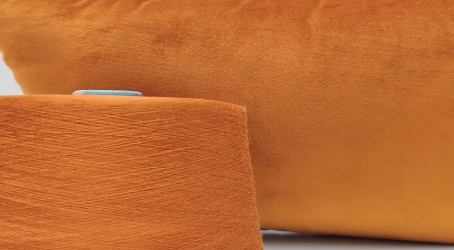
The environmental impact of conventional textile production is profound — from excessive water consumption and chemical pollution to significant carbon emissions. By integrating recycled fibers into textile manufacturing, industries can take a major step toward sustainable production and resource efficiency. The benefits of recycled fibers go beyond waste reduction — they contribute to a circular economy, where materials are continually reused instead of discarded.
Reduced Waste in Landfills
Every year, millions of tons of textile waste are discarded, ending up in overflowing landfills that release harmful greenhouse gases as they decompose. Recycling these materials — such as polyester from plastic bottles or cotton from old garments — helps divert waste from landfills and extends the lifespan of existing materials. This process not only conserves landfill space but also minimizes soil and water contamination caused by textile dyes and synthetic fibers breaking down over time.
Lower Carbon Emissions
Producing recycled fibers requires significantly less energy compared to manufacturing virgin fibers. For instance, recycling polyester from PET bottles can reduce energy consumption by up to 50%, resulting in fewer carbon dioxide emissions. This reduction helps lower the overall carbon footprint of the textile industry, one of the most energy-intensive sectors globally. By shifting toward recycled fiber production, manufacturers contribute to mitigating climate change and promoting cleaner industrial practices.
Conservation of Natural Resources
Recycling fibers helps reduce the demand for raw materials. For synthetic textiles, it lessens dependence on fossil fuels, as fewer petrochemicals are needed to produce new polyester or nylon. In the case of natural fibers like cotton, recycling minimizes the need for agricultural resources such as water, fertilizers, and land. This conservation of resources ensures that future generations can enjoy a more balanced ecosystem while reducing environmental degradation from overproduction.
Ocean and Soil Protection
Plastic-based textiles are a major source of microplastic pollution, which often ends up in oceans and soils, threatening wildlife and food chains. By reusing existing synthetic materials to create recycled fibers, manufacturers help curb plastic waste at its source. This not only keeps ecosystems cleaner but also encourages responsible waste management throughout the textile supply chain. The adoption of recycled fibers plays a vital role in protecting both marine and terrestrial habitats from the long-term effects of pollution.
While recycled fibers offer many benefits, they also face several challenges that limit their widespread adoption.
Repeated mechanical recycling can shorten fiber length, reducing strength and uniformity. Blending recycled and virgin fibers is often necessary to maintain product quality.
Different fiber types, dyes, and finishes complicate recycling processes, making sorting labor-intensive and costly.
Recycling facilities are not evenly distributed globally, making large-scale recycling difficult in certain regions.
Some consumers mistakenly believe recycled materials are of lower quality or less comfortable. Educating consumers about performance and environmental benefits is essential for acceptance.
The versatility of recycled fibers allows them to be used across multiple industries, including fashion, home textiles, automotive, and industrial sectors.
Industry | Example Products | Benefits |
Fashion & Apparel | Jackets, T-shirts, jeans, activewear | Eco-friendly materials attract conscious consumers |
Home Textiles | Carpets, curtains, bedding | Durable and easy to maintain |
Automotive | Seat covers, insulation fabrics | Lightweight and sustainable interior solutions |
Industrial | Geotextiles, ropes, filters | Cost-effective and durable alternatives |
Recycled fibers are increasingly used by global brands looking to meet sustainability goals without compromising quality or aesthetics.
The future of recycled fibers lies in innovation, technology, and circular design. Advanced chemical recycling technologies, AI-driven sorting systems, and blockchain-based traceability platforms are making recycled fibers more reliable and transparent.
Additionally, the rise of textile-to-textile recycling—where old clothes are directly converted into new fabrics—marks a significant step toward a circular textile economy. Partnerships between fashion brands, recyclers, and technology providers are creating scalable solutions to meet the growing demand for sustainable materials.
Governments and environmental organizations are also introducing stricter regulations and incentives to promote recycling, further driving the shift toward a greener textile industry.
Choosing recycled fibers goes beyond environmental responsibility—it’s about shaping a sustainable future. Every product made from recycled material contributes to:
Reducing pollution and landfill waste.
Conserving water, energy, and raw materials.
Encouraging innovation and green technology in the textile sector.
In an era where consumers increasingly value eco-conscious brands, adopting recycled fibers is both an ethical and competitive advantage for manufacturers and designers.
Recycled fibers represent one of the most promising pathways toward a sustainable and circular textile industry. By transforming waste into high-quality, functional fabrics, they help reduce environmental impact, conserve resources, and create a more responsible production ecosystem.
Whether made from plastic bottles, discarded garments, or industrial waste, these fibers prove that sustainability and performance can coexist seamlessly. As technology continues to evolve, recycled fibers will play an even greater role in building a cleaner, greener, and more innovative textile future.
To learn more about the development, manufacturing, and application of recycled fibers, you can visit Wuhu Fuchun Dyeing & Weaving Co., Ltd. — a trusted manufacturer committed to sustainable textile production. Their expertise in weaving and dyeing ensures that eco-friendly fibers can meet both environmental and performance standards. For more details or collaboration inquiries, consider reaching out to their professional team.


