Specializing in the field of yarn dyeing and finishing for 20 years. Contact us for customization
Please Choose Your Language

Fibre is an essential material in many industries, from textiles and construction to communication and technology. However, as we move towards a more sustainable future, an important question arises: Is fibre recyclable? In this article, we’ll explore the recyclability of fibres, focusing on recycled fibers, the recycling process, its benefits, and challenges, and what we can do to contribute to a more sustainable world.
Fibre refers to a type of material that is used to create fabrics, cables, and various other products. There are two main types of fibre: natural and synthetic. Natural fibres come from plants and animals, like cotton, wool, and hemp, while synthetic fibres are man-made, such as polyester, nylon, and even materials like fibre optic cables.
Natural Fibres:
Cotton: Widely used in clothing and textiles.
Wool: Common in garments and insulation materials.
Hemp: Used for eco-friendly products, including fabrics and ropes.
Synthetic Fibres:
Polyester: A staple in fashion, upholstery, and other industrial applications.
Nylon: Found in clothing, carpets, and even industrial products.
Fibre Optic Cables: These are used in telecommunications to carry data over long distances using light transmission.
Fibre is omnipresent in our daily lives, so understanding whether it’s recyclable is critical for sustainability.
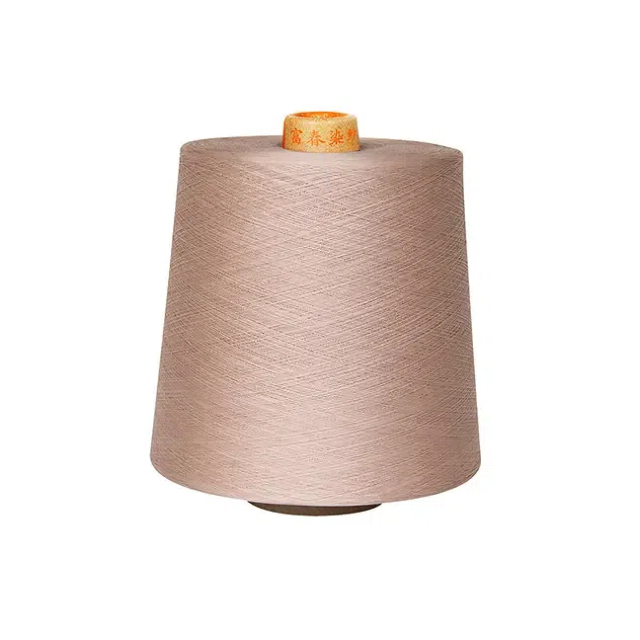
Not all fibres are recyclable, but many can be reused and repurposed. For instance, natural fibres like cotton and wool can be recycled, although the process may be more complex than recycling synthetic fibres. On the other hand, synthetic fibres like polyester are more commonly recycled, particularly in the textile industry, where old garments are turned into new materials.
Several factors make fibre recycling a challenge. Contamination is a big issue, especially with synthetic fibres, as mixed materials complicate the recycling process. Also, cost and technological limitations play a role. The need for specialized facilities and processes can make recycling less economically viable for some types of fibre.
When fibres are not recycled, they often end up in landfills, where they take hundreds to thousands of years to degrade. This is particularly concerning for fibre optic cables, which are made from materials that do not biodegrade. Thus, recycling becomes a critical solution to managing fibre waste and its environmental impact.
Recycling fibres involves several key steps, which differ depending on the type of fibre.
Natural Fibre Recycling:
For materials like cotton or wool, the recycling process involves breaking down the fibres, cleaning them, and then re-spinning them into new yarn or fabric. This helps conserve resources and reduces the need for new raw materials.
Synthetic Fibre Recycling:
Synthetic fibres like polyester are typically broken down into their base chemical components, which are then used to produce new fibres. Recycled fibers, such as recycled polyester, are gaining popularity in the fashion industry, where they are used to create eco-friendly clothing and textiles.
Recycling plants play a crucial role in sorting, cleaning, and processing fibres into usable materials. These facilities use advanced technologies to separate different fibre types and ensure that the materials are reused properly. For example, fibre optic cables, which are commonly found in the telecommunications industry, can be processed into their basic components and repurposed into other products, such as plastic pallets.
Reduced Waste: Recycling fibres helps divert waste from landfills, reducing the environmental burden caused by non-biodegradable materials.
Lower Carbon Footprint: Using recycled fibers in manufacturing processes saves energy and reduces greenhouse gas emissions compared to using virgin materials.
Conservation of Natural Resources: By recycling, we lessen the demand for raw materials, preserving natural resources for future generations.
Cost Savings: Recycling fibres helps businesses cut costs by reusing existing materials instead of sourcing new raw materials.
Job Creation: The fibre recycling industry creates green jobs in sorting, processing, and manufacturing products from recycled materials.
Sustainability in Business: Companies that adopt fibre recycling programs can reduce waste and improve their sustainability credentials, appealing to eco-conscious consumers.
Recycling fibres not only helps the environment but also raises awareness about sustainability. By supporting recycled fibers in the market, we contribute to a global movement toward greener practices and support the circular economy.
While recycling fibre offers many benefits, there are challenges to overcome:
Contamination: Fibres that are mixed with non-recyclable materials can contaminate the recycling stream, making the process less efficient.
Technological Limitations: Not all recycling technologies can handle the complexity of separating different types of fibres, particularly in the case of synthetic fibres.
Economic Barriers: The high costs of recycling infrastructure and processes can deter some regions or industries from adopting fibre recycling.
One key reason is the lack of infrastructure in many regions, which limits the ability to recycle fibres at scale. Additionally, public awareness gaps mean that not everyone is aware of the importance of fibre recycling or how to properly dispose of fibre waste.
Technological advancements are continually improving fibre recycling. Innovations like chemical recycling for synthetic fibres, as well as more efficient sorting and processing systems, are making recycling more feasible and effective.
Industries: Businesses can invest in sustainable practices, such as adopting recycled fibers in their products, improving product design for recyclability, and establishing better recycling systems.
Consumers: Individuals can support eco-friendly brands, recycle textiles, and reduce their consumption of non-recyclable fibres.
Governments can play a critical role by implementing policies that incentivize fibre recycling, such as subsidies for recycling facilities and stricter regulations on waste management.
In conclusion, fibre recycling is an essential practice that offers significant environmental, economic, and social benefits. By recycling fibres, we reduce waste, conserve resources, and contribute to a more sustainable world. As technology advances and awareness grows, we can look forward to a future where recycled fibers are integral to industries across the globe.
Can synthetic fibres like polyester be recycled?
Yes, synthetic fibres like polyester can be recycled, especially in the textile industry, where they are converted into new materials such as eco-friendly fabrics.
Is it possible to recycle old clothing made from fibre?
Yes, old clothing made from fibres, especially natural and synthetic ones, can be recycled through various processes to produce new textiles.
How can I tell if my clothes are made from recycled fibres?
Check for labels or certifications that indicate the use of recycled fibers or eco-friendly materials in clothing products.
What are the best practices for fibre waste management?
Businesses and consumers can improve fibre waste management by separating recyclable materials, supporting recycling programs, and reducing the use of non-recyclable fibres.
Are there any eco-friendly alternatives to non-recyclable fibres?
Yes, alternatives like biodegradable materials and recycled fibres are becoming more popular in the market as eco-friendly options.


