Specializing in the field of yarn dyeing and finishing for 20 years. Contact us for customization
Please Choose Your Language

Views: 0 Author: Site Editor Publish Time: 2025-11-24 Origin: Site
Cotton yarn is a versatile and widely used material in the textile industry, known for its softness, breathability, and adaptability. However, to enhance its aesthetic appeal and broaden its applications, cotton yarn is often dyed to achieve a variety of colours. This article explores the process of dyeing cotton yarn, shedding light on the techniques, benefits, and key factors that influence the final result. Additionally, it offers insights into what cotton dyed yarn manufacturers consider during production to ensure high-quality, consistent outcomes.
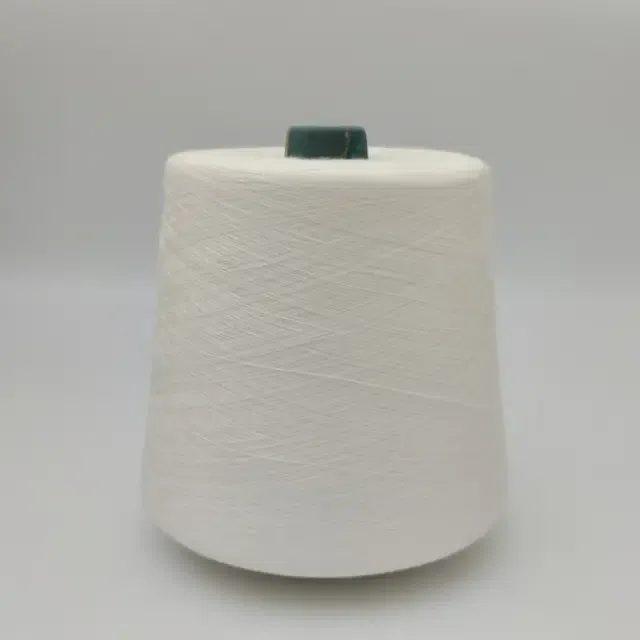
Cotton dyed yarn refers to cotton yarn that has undergone a dyeing process to change its natural colour. Typically, cotton yarn starts as a natural, undyed product, often in its raw, beige or off-white state. Dyeing the yarn imparts vibrant colours, making it more suitable for a range of textile products, from clothing to home furnishings.
Unlike undyed cotton yarn, which is primarily used for its natural colour, cotton dyed yarn offers the versatility of colour, which is essential for creating different patterns and textures in textiles. Cotton dyed yarn is popular among textile manufacturers and crafters alike because it provides both functional and aesthetic benefits.
The dyeing process plays a crucial role in the cotton yarn industry for several reasons:
Market Demand: Dyed cotton yarn allows manufacturers to meet the diverse demands of the fashion and home textiles markets, where colour is a vital factor in product design and appeal.
Value Addition: Dyeing cotton yarn adds value to the raw cotton, as coloured yarn is often perceived as more desirable and functional for certain applications.
Customization: Many textile companies and crafters prefer dyed cotton yarn for its ability to match specific colour schemes or branding requirements.
Efficiency: Dyeing yarn before it is woven or knitted into fabric allows for more controlled and even colouring, leading to better quality and consistency in the final textile product.
For cotton dyed yarn manufacturers, the dyeing process is not just about adding colour; it is also about ensuring the yarn retains its integrity, strength, and usability after dyeing.
Several dyeing methods are employed to achieve the desired colour in cotton yarn. Each method has its unique advantages and is chosen based on factors such as the type of dye used, the desired colour outcome, and the scale of production. Some common methods include:
Immersion Dyeing: This is the most straightforward method, where the yarn is submerged in a dye bath. It is typically used for solid colours and ensures even dyeing throughout the yarn.
Space Dyeing: Space dyeing is a technique that creates a multi-coloured effect in the yarn. It involves applying different colours to sections of the yarn, producing a unique pattern once it is knitted or woven into fabric.
Reactive Dyeing: Reactive dyes bond with the cotton fibres at a molecular level, making them highly resistant to fading. This method is commonly used for achieving bright, long-lasting colours.
Vat Dyeing: This method is used for dyeing cotton yarn with vat dyes, which are particularly resistant to fading and washing. The yarn is dipped into a dye vat, often with the addition of reducing agents to help the dye adhere.
Each of these dyeing techniques requires careful consideration of factors such as temperature, pH, and dye concentration to ensure the best results.
The process of dyeing cotton yarn involves several key stages that ensure the final product meets quality standards:
Preparation: The cotton yarn is first cleaned and scoured to remove any impurities such as oils or waxes that could interfere with dye absorption.
Dye Application: The chosen dye is applied to the yarn using one of the methods described above. The yarn is carefully treated to ensure that the dye penetrates evenly and fully.
Fixation: After the dye has been applied, the yarn undergoes a fixation process where the dye is "set" onto the fibres. This step is crucial for ensuring that the colour remains stable and does not fade easily.
Rinsing and Drying: After fixation, the yarn is thoroughly rinsed to remove any excess dye, then dried using methods such as air drying or tumble drying, depending on the type of dye used.
For manufacturers, it is essential to monitor each step of the process carefully. Quality control checks are performed at every stage to ensure the dyed yarn meets the required specifications for colour, strength, and fastness.
When producing cotton dyed yarn, several factors must be considered to ensure the finished product meets industry standards:
Colour Consistency: One of the most important aspects of dyed yarn is colour consistency. Cotton dyed yarn manufacturers use techniques like lab dips, where a small sample is dyed to confirm the final colour, before producing the full batch.
Colour Fastness: This refers to how well the dye resists fading from washing, light, and abrasion. Cotton dyed yarn must pass tests for wash fastness, light fastness, and rub fastness to ensure longevity.
Yarn Strength: Dyeing should not weaken the yarn. Manufacturers take care to select dyes and dyeing processes that do not compromise the structural integrity of the yarn.
Uniformity of Dyeing: Achieving uniformity in dye application is crucial, especially for multi-coloured or complex dyeing techniques. Inconsistent dyeing can result in an uneven or blotchy appearance in the finished product.
For cotton dyed yarn manufacturers, maintaining high standards across these factors is key to ensuring customer satisfaction and product longevity.
Cotton dyed yarn manufacturers play a critical role in the textile supply chain. They are responsible for producing yarns that meet the specific requirements of textile producers, designers, and crafters. Some of the responsibilities of these manufacturers include:
Dye Selection: Manufacturers must choose the right dyeing process based on the yarn type, desired colour, and fabric end-use. They also need to consider the environmental impact of the dyes they use.
Batch Production: Manufacturers often work in large batches, so controlling the quality across multiple lots is crucial. They ensure that the colour, texture, and strength are consistent throughout the production run.
Customization: Many manufacturers offer custom dyeing services, where clients can specify the exact colour and finish they require. This customization is particularly important in industries like fashion, where unique colour palettes are often needed.
When sourcing cotton dyed yarn, it’s important to select a supplier that meets your quality and operational requirements. Here are some key factors to consider:
Experience and Reputation: Look for manufacturers with a proven track record in producing high-quality dyed cotton yarn. Check for industry certifications and customer reviews.
Quality Assurance: Ensure the supplier has a rigorous quality control process in place. This should include testing for dye consistency, colour fastness, and yarn strength.
Sustainability Practices: With growing environmental concerns, it’s crucial to partner with manufacturers who use eco-friendly dyeing methods, such as water-saving techniques or biodegradable dyes.
Flexibility: Choose a supplier who can accommodate your specific needs, whether you require small custom runs or large batch production.
Cotton dyed yarn plays a crucial role in the textile industry, offering a wide range of colours and applications. Understanding the dyeing process, the quality factors that influence the final product, and the role of manufacturers is essential for anyone involved in the production or sourcing of cotton yarn. By following the best practices outlined in this article, you can ensure that you select the right cotton dyed yarn for your needs, whether you're a manufacturer, designer, or crafter.


