
Views: 0 Author: Site Editor Publish Time: 2025-11-22 Origin: Site


Have you ever wondered what gives certain fabrics their unique two-tone look? That effect is often the result of melange yarn. Known for its aesthetic appeal and versatility, melange yarn is created by blending fibers of different colors or types to produce a marled, textured effect.
In this article, we will explore the process of making melange yarn, the materials used, and how it is spun to create that signature look. You'll also learn about its applications in fashion, home textiles, and its growing popularity in sustainable production methods.
Melange Yarn Definition: It’s made by blending fibers of different colors or types to create a marled effect.
Production Process: Involves fiber selection, spinning, dyeing, and quality control.
Applications: Popular in fashion, home textiles, and accessories.
Sustainability: Recycled melange yarns are eco-friendly and in demand.
Durability: Known for resistance to fading and long-lasting appearance.
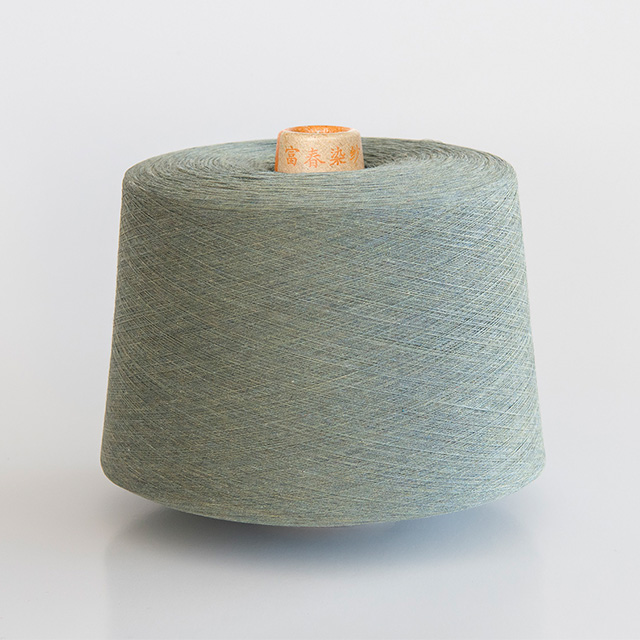
Melange yarn is created by mixing fibers of different colors or different types before spinning them into yarn. This blending process results in a fabric with a two-tone or marled appearance. Unlike traditional dyed yarns, the color variation in melange yarn comes from the fibers themselves, which blend together in the spinning process.
The key characteristic of melange yarn is its unique color effect. The fibers are mixed in a way that creates subtle variations in shade across the yarn. This results in a rich, textured look that adds depth and interest to the finished fabric. The blending of fibers also gives melange yarn a soft feel and comfortable texture, making it popular for both clothing and home textile products.
The term "melange" comes from the French word meaning "mixture" or "blend," which accurately describes the visual effect of the yarn. Historically, melange yarns have been used in various cultures for their ability to create fabrics with complex color patterns. Today, melange yarn is used extensively in modern textiles, from fashion to home decor.
Melange yarn can be made from a variety of fibers, including cotton, polyester, wool, and blends of these fibers. The choice of fiber determines the final characteristics of the yarn, such as its softness, strength, and durability. Cotton is often used for its softness and breathability, while polyester adds durability and resistance to fading.
| Fiber Type | Characteristics | Common Uses |
|---|---|---|
| Cotton | Soft, breathable | T-shirts, casual wear |
| Polyester | Durable, resistant to fading | Activewear, sportswear |
| Wool | Warm, luxurious feel | Sweaters, outerwear |
| Blends | Combination of fibers | Versatile applications, e.g., cotton-polyester blends for durability and comfort |
The dyeing process for melange yarn is what gives it its distinctive color. Raw and dyed fibers are mixed before spinning to create the yarn. The resulting yarn has subtle color variations, depending on the types of fibers used and how they are blended.
Raw fibers: Undyed fibers, such as natural cotton, contribute to the base color of the yarn.
Dyed fibers: Different colors of fibers are mixed to create the marled effect in the final yarn.
Blended Melange Yarn: Made by combining fibers of different types, such as cotton and polyester, in a fixed ratio. This type of melange yarn offers added strength and texture.
Non-Blended Melange Yarn: Made by mixing fibers of the same type but in different colors, such as dyed cotton and raw cotton. This results in a softer, more natural look.
The first step in making melange yarn is selecting the right fibers. Manufacturers choose fibers based on the desired final color and texture. The fibers are then mixed in a specific ratio, depending on whether the yarn is blended or non-blended.
For blended melange yarns, fibers such as cotton and polyester are combined in set ratios (e.g., 70% cotton and 30% polyester). For non-blended yarns, different colored fibers of the same type are mixed.
Once the fibers are mixed, they are spun into yarn. During spinning, the fibers intertwine and form the characteristic marled effect that gives melange yarn its two-tone appearance. The spinning process helps distribute the colors evenly throughout the yarn, resulting in a smooth texture.
After spinning, some melange yarns undergo additional dyeing to enhance their color. This dyeing process is done carefully to ensure that the colors are blended evenly. Depending on the type of melange yarn, dyeing may be done after spinning or during the fiber preparation stage.
To ensure consistency in color, texture, and durability, melange yarn undergoes rigorous quality control tests. Manufacturers inspect the yarn for even color distribution and check for any inconsistencies in the spinning process. This ensures that the final product meets industry standards.
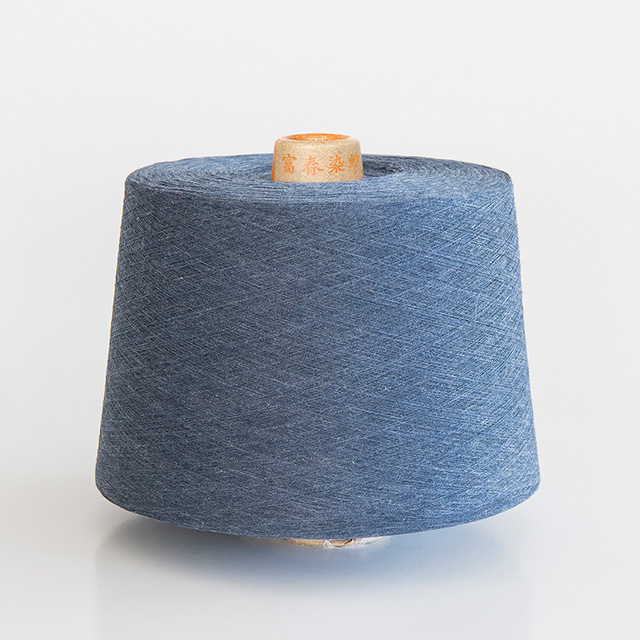
Blended melange yarns are created by combining different types of fibers, such as polyester and cotton. These blends are carefully formulated to balance strength, texture, and appearance. For example, a 50% polyester and 50% cotton blend results in a durable yet soft yarn.
Blended yarns are often used in products that require a balance of comfort and durability, such as activewear and casual wear.
Non-blended melange yarns are made from fibers of the same type but in different colors. This type of yarn is often made from cotton, where dyed cotton fibers are mixed with raw cotton fibers to create a unique color effect. Non-blended melange yarns are typically softer and have a more organic look.
Specialty melange yarns, such as recycled melange yarns, are gaining popularity in the textile industry. These yarns are made from recycled fibers, contributing to sustainability and reducing the environmental impact of textile production.
| Type of Melange Yarn | Characteristics | Applications |
|---|---|---|
| Blended | Mixed fibers like polyester-cotton blends | Activewear, casual wear |
| Non-Blended | Same fiber type, different colors | Soft, organic look, e.g., cotton |
| Specialty (Recycled) | Made from recycled fibers | Eco-friendly fashion, sustainable textiles |
Melange yarn is widely used in the fashion industry due to its soft texture and unique aesthetic. It is commonly used to make casual wear, including t-shirts, hoodies, sweaters, and sportswear. The yarn’s ability to provide a rich, textured look without being overly bold makes it perfect for everyday garments.
In addition to clothing, melange yarn is also used in home textiles, including blankets, cushions, and upholstery. The yarn’s textured appearance adds visual interest to home furnishings, while its softness makes it comfortable for everyday use.
Melange yarn is popular for making accessories such as scarves, hats, gloves, and bags. The yarn’s ability to blend different colors gives these accessories a unique, stylish appearance that stands out in fashion.
The demand for eco-friendly textiles has led to the development of recycled melange yarns. These yarns are made from recycled fibers, reducing waste and conserving resources in the production process. Recycled melange yarns are used in a wide range of products, from clothing to home textiles.
Fuchun Dyeing & Weaving, known for its sustainable textile production, offers a variety of melange yarns made from eco-friendly fibers, providing an excellent option for businesses focused on green manufacturing.
Melange yarn is valued for its rich, textured appearance. The yarn’s subtle color variations create a sophisticated, heathered effect that enhances the visual appeal of fabrics.
The soft texture and breathable nature of melange yarn make it ideal for a wide variety of garments. From casual wear to activewear, melange yarn is comfortable to wear and versatile enough for various applications.
Melange yarn is known for its durability. The color is embedded in the fibers themselves, which makes it more resistant to fading over time compared to traditionally dyed yarns.
While melange yarn offers a premium look, it can often be more affordable than other types of dyed yarn. This makes it an attractive option for manufacturers looking to provide high-quality products at a competitive price.
When working with melange yarn, it's essential to handle it with care to preserve the color variations. Whether knitting or crocheting, the yarn’s texture requires some attention to ensure an even finish. It’s best to choose simple patterns that highlight the yarn’s unique marled effect.
Melange yarn can be used for a variety of projects, including:
Scarves: A simple yet stylish accessory.
Sweaters: Ideal for cozy, comfortable garments.
Blankets: Perfect for creating soft, textured throws.
Uneven Color Patterns: If the yarn’s color distribution is uneven, ensure that the fibers are properly blended during the spinning process.
Inconsistent Spinning: Regular quality control checks can help avoid spinning inconsistencies.
Tip:When working with melange yarn in larger production runs, businesses should prioritize consistent quality control and work with trusted manufacturers like Fuchun Dyeing & Weaving to ensure color uniformity and durability.
Melange yarn is a staple in the textile industry, valued for its unique aesthetic and versatility. It combines style and comfort, making it ideal for casual wear and home textiles. The growing demand for sustainable fashion further supports its widespread use. Companies like Fuchun Dyeing & Weaving offer high-quality, eco-friendly recycled melange yarn, helping businesses meet the rising demand for sustainable textiles.
A: Melange yarn is a type of yarn created by blending fibers of different colors or types to produce a marled, two-tone effect.
A: Melange yarn is made by mixing fibers in a specific ratio, followed by spinning and sometimes dyeing to achieve the desired color variations.
A: Melange yarn offers unique color variations, a soft texture, and versatility, making it ideal for fashion, home textiles, and sustainable fashion.
A: Its aesthetic appeal, versatility, and eco-friendly production methods have made melange yarn popular across various textile industries.


