Specializing in the field of yarn dyeing and finishing for 20 years. Contact us for customization
Please Choose Your Language

Views: 0 Author: Site Editor Publish Time: 2025-12-29 Origin: Site
Choosing the right knitting yarn weight can be challenging. The yarn weight significantly affects your project's look, feel, and drape. In this article, we’ll explore how to select the perfect knitting yarn for your next project. You’ll learn about various yarn weights and their impact on your finished piece.
Yarn weight refers to the thickness of the yarn strand. It plays a crucial role in how your finished project looks and feels. Different yarn weights can create distinct textures and drapes, impacting the overall design.
Understanding yarn weight is essential for achieving the desired outcome in your knitting projects. Each weight category has its own characteristics, making it important to choose wisely based on your project requirements.
When it comes to knitting yarn, there are several weight categories to consider. Here’s an overview of the most common types:
Yarn Weight Category | Description | Typical Uses |
Lace Weight (0) | The lightest yarn, ideal for delicate fabrics. | Shawls, lightweight accessories. |
Fingering Weight (1) | Slightly heavier than lace, still very fine. | Lightweight garments, socks, intricate patterns. |
Sport Weight (2) | A balance between lightweight and thicker yarns. | Suitable for garments and accessories. |
DK (Double Knit) Weight (3) | Versatile and commonly used. | Sweaters, children's clothing, and various projects. |
Worsted Weight (4) | Medium thickness, widely popular. | Warm sweaters, blankets, and accessories. |
Bulky Weight (5) | Thicker yarn for quick projects. | Chunky scarves, oversized items. |
Super Bulky Weight (6) | The heaviest yarn, perfect for fast results. | Plush items, quick cozy projects. |
Lace weight yarn is incredibly fine, often used for creating delicate shawls and intricate lace patterns. It requires patience but produces stunning results. Many knitters enjoy combining lace weight with thicker yarns to achieve unique textures.
Fingering weight yarn is slightly thicker than lace and is perfect for lightweight garments, such as summer tops and socks. It allows for detailed work, making it ideal for colorwork techniques and intricate designs.
Sport weight yarn strikes a balance, providing substance without adding bulk. It's a great choice for both garments and accessories, such as lightweight sweaters and hats. This weight is often favored by knitters looking for versatility in their projects.
DK weight yarn is one of the most versatile options available. It works well for a variety of projects, including sweaters, cardigans, and children's clothing. This weight offers a good balance of warmth and drape, making it a favorite among many knitters.
Worsted weight yarn is a staple in the knitting world. Its medium thickness makes it perfect for warm sweaters, blankets, and accessories. This weight is easy to work with and produces a lovely fabric that holds its shape well.
Bulky weight yarn is great for quick projects. It knits up fast, making it perfect for chunky scarves and oversized items. This weight is often chosen for its dramatic effect and cozy feel.
Super bulky weight yarn is the heaviest option available. It creates plush items quickly, making it ideal for fast, cozy projects. Knitters love using this weight for oversized blankets and statement pieces that require minimal effort.
By understanding these categories, you can make informed decisions about which yarn weight to use for your knitting projects. Each weight brings its own unique qualities, allowing for endless creativity in your crafting journey.
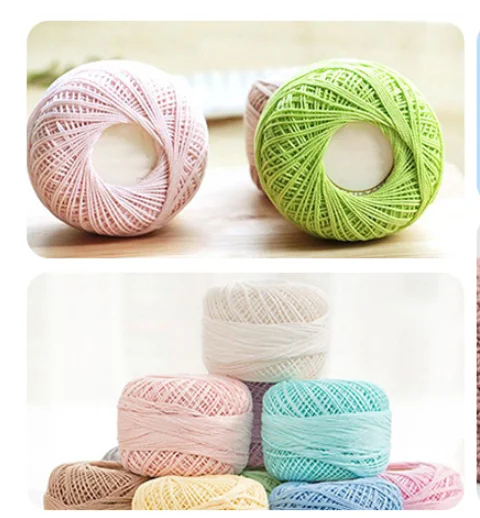
Choosing the right yarn weight is crucial for the success of your knitting project. Yarn weight directly influences the gauge, which determines how many stitches fit into a given area. For instance, using a heavier yarn than recommended can lead to a project that is too tight, while a lighter yarn may result in a loose, floppy fabric.
Here’s a quick look at how different yarn weights can affect specific projects:
Yarn Weight Category | Suitable Projects |
Lace Weight (0) | Delicate shawls, intricate lacework. |
Fingering Weight (1) | Lightweight garments, detailed socks. |
Sport Weight (2) | Casual sweaters, light accessories. |
Worsted Weight (4) | Cozy blankets, warm sweaters. |
Bulky Weight (5) | Chunky scarves, oversized throws. |
Using the wrong weight can alter the intended design and fit significantly. For example, if you knit a fitted sweater with bulky yarn, it may not hug your body as intended, leading to a disappointing outcome.
Different yarn weights create varying textures and drapes, which are essential for achieving the desired look of a project. Heavier yarns provide more structure, making them ideal for items that need to hold their shape, such as bags or structured garments. In contrast, lighter yarns offer fluidity, allowing for soft, draping pieces like shawls or flowing cardigans.
Consider how texture impacts your project:
● Heavier yarns: Create dense, warm fabrics that are perfect for winter wear.
● Lighter yarns: Produce airy, delicate fabrics suitable for summer garments.
Matching the yarn weight with the desired drape is key. A yarn that is too heavy for a lace project will make it stiff, while a yarn that is too light for a chunky blanket may not provide the warmth needed.
Patterns often specify a particular yarn weight to ensure the finished item looks and fits as intended. This is crucial because the designer has chosen a weight that complements the stitch patterns and overall design. When substituting yarn weights, it’s essential to consider how it will affect the final product.
Here are some tips for successful yarn substitution:
● Check the gauge: Always knit a swatch to compare your gauge with the pattern’s requirements. This ensures that the dimensions of your project will match.
● Consider the stitch definition: Some yarns may obscure stitches, while others enhance them. Choose a weight that maintains the clarity of your chosen stitch pattern.
● Adjust your needle size: If you change the yarn weight, you may need to adjust your needle size to achieve the correct gauge.
By paying attention to these factors, you can maintain the integrity of your project while exploring different yarn weights. This flexibility allows for creativity in your knitting, enabling you to achieve the look and feel you desire in your finished piece.
Choosing the right yarn weight begins with understanding your project type. Ask yourself a few key questions to guide your decision:
● What type of garment or accessory are you making? Different projects have unique requirements. For example, a cozy winter sweater calls for a heavier yarn, while a lightweight summer shawl benefits from a finer weight.
● What season or climate will it be used in? If you’re knitting for warm weather, opt for lighter yarns that allow breathability. Conversely, for colder climates, heavier yarns provide warmth and insulation.
● Will the project require durability or flexibility? Items like bags or shoes need sturdier yarns, while garments like dresses or scarves benefit from softer, more flexible yarns.
Gauge swatching is an essential step in determining the right yarn weight. It helps ensure that your finished project matches the intended size and fit.
To create a gauge swatch, follow these steps:
1. Cast on enough stitches to create a square swatch, typically around 4 inches by 4 inches.
2. Knit the swatch using the yarn and needles you plan to use for your project.
3. Measure your swatch after blocking it to see how many stitches and rows fit within a specified area.
Understanding the relationship between yarn weight, needle size, and gauge is crucial. For instance, heavier yarns generally require larger needles to achieve the desired gauge. If you find your gauge is off, you may need to adjust your needle size. This adjustment helps you achieve the correct stitch count and row height for your project.
Reading yarn labels is key to selecting the right yarn weight. Here’s what to look for:
● Weight: The label will indicate the yarn weight category, such as lace, fingering, or bulky. This helps you choose the right yarn for your project type.
● Yardage: This tells you how much yarn is in the skein, which is important for planning your project. Make sure you have enough yarn to complete your item.
● Gauge: Many labels provide recommended gauge information, indicating how many stitches per inch you should aim for with specific needle sizes.
Understanding common terms and symbols used in yarn labeling can also help. For example, a symbol of a ball of yarn with a number indicates the weight category.
Additionally, be aware of international yarn weight standards. Different countries may use varying systems, so it’s essential to familiarize yourself with these to avoid confusion. For example, the U.S. system may categorize yarn differently than the European system, leading to potential mismatches if you’re following a pattern from another country.
By considering these factors, you can confidently select the right yarn weight for your knitting projects, ensuring beautiful and successful outcomes every time.
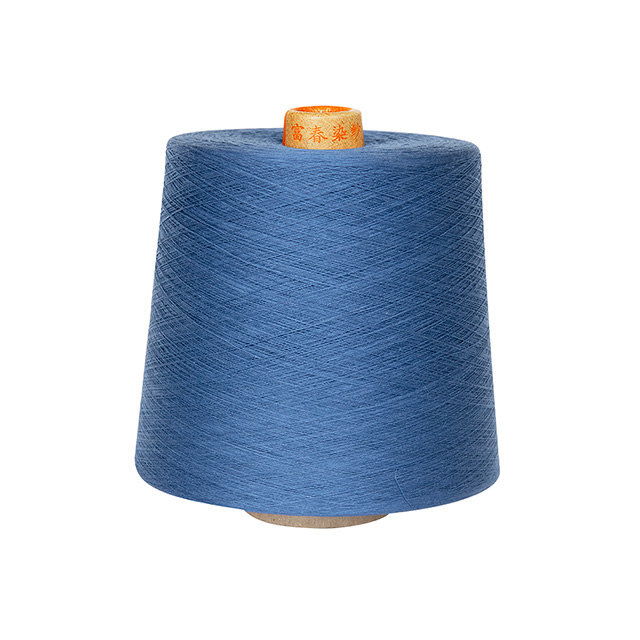
One of the best ways to find the perfect yarn weight is to experiment. Don’t be afraid to try various weights for different effects. For instance, using a lace weight yarn for a chunky pattern can create an unexpected and beautiful result.
Here are a few creative project ideas using unconventional yarn weights:
● Lace weight for scarves: Create airy, delicate scarves that are perfect for layering.
● Bulky yarn for baby clothes: Make quick, cozy outfits that are soft and warm.
● Combining yarn weights: Try using a mix of sport and worsted yarns in a single project to achieve unique textures and visual interest.
Combining different yarn weights can add depth to your work, allowing for exciting texture contrasts. Just remember to keep an eye on your gauge to ensure everything comes together nicely.
Different knitting techniques work better with specific yarn weights, so it’s essential to match them appropriately. Here’s a breakdown of how various techniques align with yarn weights:
● Lace Knitting: Very fine yarns are ideal for creating delicate lace patterns. They allow for intricate stitch work that showcases the beauty of lace designs.
● Cables and Textured Stitches: Medium to heavy yarns provide better stitch definition, making cables pop and textures stand out. This weight allows for clear visibility of the patterns you create.
● Colorwork (Fair Isle, Intarsia): Lighter to medium weights are best for colorwork, as they allow for smooth transitions between colors. This helps maintain the integrity of the design without adding too much bulk.
● Socks and Gloves: Finer yarns are necessary for flexibility and comfort. They allow for a snug fit, which is crucial for items worn close to the skin.
● Chunky Knits: Super bulky yarns create oversized, dramatic effects. They are perfect for quick projects like blankets or statement pieces that need to make an impact.
Personal comfort should always be a priority when choosing yarn. The texture and feel against your skin can greatly affect your enjoyment of a finished project.
When selecting yarn, consider the following:
● Texture: Some yarns can be scratchy or irritating, especially for garments worn directly against the skin. Opt for soft, smooth fibers if you’re sensitive to texture.
● Yarn Allergies: Be mindful of any allergies you may have, such as sensitivity to mohair or wool. Seek out alternative fibers like cotton or bamboo, which are often softer and hypoallergenic.
● Feel: Take time to handle different yarns. This tactile experience can help you determine which weights and fibers feel best for your intended project.
By considering these factors, you can choose yarn weights that not only suit your project but also enhance your overall knitting experience. Enjoy the process of discovering what works best for you!
This article covers how to choose the right knitting yarn weight. It emphasizes the importance of considering project type, gauge swatching, and yarn labels. Experimenting with different yarn weights can lead to unique textures and creative projects. Knitting is a joyful craft, and finding the right yarn enhances the experience. For quality yarn options, consider products from Fuchun, which provide excellent value and performance in your knitting endeavors.
A: Knitting yarn weight refers to the thickness of the yarn strand, affecting the final look and feel of your project.
A: Consider the type of project, the desired texture, and the season. Match the yarn weight to these factors for the best results.
A: Different knitting techniques work better with specific yarn weights, ensuring better stitch definition and overall project quality.
A: Yes, combining different yarn weights can create unique textures and effects, but be mindful of gauge.
A: Heavier yarns may cost more due to the amount of material used, while lighter yarns can be more economical.


