Specializing in the field of yarn dyeing and finishing for 20 years. Contact us for customization
Please Choose Your Language

Views: 0 Author: Site Editor Publish Time: 2025-12-23 Origin: Site
Melange yarn has become a popular choice in the textile industry due to its unique aesthetic and versatile applications. The melange yarn types are varied, and understanding the differences between them is crucial for choosing the right yarn for specific applications. In this article, we will explore the different types of melange yarn, explain their classification based on fiber composition, and examine how these variations influence fabric properties and performance. By the end, you will have a clearer understanding of the melange yarn meaning and how the right yarn choice can impact the design and functionality of your textiles.
The classification of melange yarn types often starts with the composition of the fibers used. The type of fibers chosen for blending or their specific characteristics play a significant role in the final appearance, texture, and performance of the yarn. The two primary categories are blended melange and non-blended melange yarn.
Blended melange yarn combines two or more different types of fibers, such as cotton and polyester, to create a yarn with a unique color effect and enhanced performance properties. This blend offers the best of both worlds: the natural softness and breathability of cotton combined with the durability, moisture-wicking, and wrinkle-resistant properties of polyester. The resulting melange yarn is commonly used in casual wear, sportswear, and home textiles.
Non-blended melange yarn is made from a single type of fiber, but the fibers come in different colors. These yarns are spun from fibers of the same material, such as all cotton or all polyester, but each fiber is dyed in a different shade to create a heathered or speckled look. This type of melange yarn is often used when a subtle color variation is desired while maintaining the same material properties throughout the fabric.
Different types of melange yarn are produced to meet the specific needs of various industries. Below are some of the most commonly used types of melange yarn in textile production.
100% cotton melange yarn is a classic choice for garments that require breathability, softness, and comfort. The natural fiber offers excellent moisture absorption and softness against the skin, making it a popular choice for t-shirts, sweaters, and other casual apparel. Cotton melange yarn also features the unique heathered texture that gives garments a relaxed, stylish appearance.
Polyester melange yarn is often used in applications where durability and strength are important. Polyester is a synthetic fiber known for its resistance to shrinking, stretching, and wrinkling. When combined into a melange yarn, it provides a fabric that is both resilient and aesthetically pleasing, with a multi-tonal effect. This type of yarn is frequently used in activewear, sportswear, and upholstery fabrics where long-lasting performance is essential.
A blend of cotton and viscose creates a melange yarn that combines the benefits of both natural and semi-synthetic fibers. Cotton provides breathability and comfort, while viscose adds a silky touch and sheen to the fabric. This type of melange yarn is commonly used in fashion-forward garments and home textiles where both comfort and visual appeal are essential. The heathered effect created by this blend gives a modern look with enhanced drape and softness.
Some melange yarns are made from specialty blends that combine various fibers to achieve unique properties. These blends can include wool, nylon, acrylic, or other fibers, tailored to specific performance or aesthetic requirements. For example, a wool and polyester blend melange yarn can provide warmth, softness, and durability, making it suitable for winter garments or accessories. Specialty blends are also often used in industrial applications, such as upholstery fabrics, where both performance and style are important.
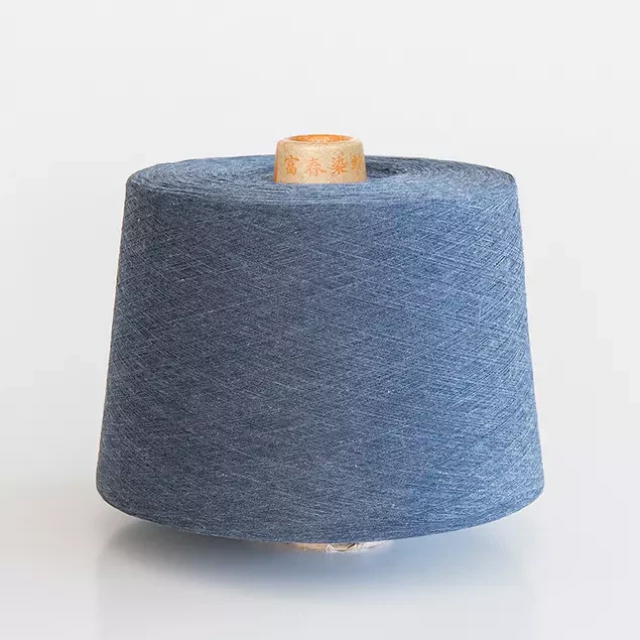
The choice of melange yarn significantly impacts the properties of the finished fabric. The fiber composition and spinning techniques used in producing the yarn determine the strength, texture, softness, and drape of the fabric. Here, we will explore how different types of melange yarn affect the final fabric's properties.
Strength: Polyester and synthetic fiber blends typically create stronger, more durable fabrics, ideal for activewear and outdoor apparel. On the other hand, natural fiber blends such as cotton and viscose may provide a softer feel but can lack the strength of synthetic options.
Drape: Cotton- and viscose-based melange yarns tend to have a better drape, meaning the fabric will fall more smoothly and comfortably over the body. This makes these yarns ideal for fashion garments that require fluidity and movement.
Softness: 100% cotton melange and blends with viscose are known for their softness and comfort. These yarns feel gentle on the skin, which is why they are commonly used in t-shirts, sweaters, and other casual wear items.
One of the most distinctive features of melange yarn is its color effect. The multi-tonal appearance, created by blending different fibers or dyed fibers, gives fabrics a unique texture and visual appeal. Whether using blended melange or non-blended melange yarn, the final fabric will display subtle shifts in color, providing a depth of design that solid-colored yarns cannot achieve. This makes melange yarn particularly appealing for fashion designers who want to create dynamic, textured fabrics.
Different types of melange yarn are used in various applications, depending on the desired characteristics of the finished fabric. Below are some of the key sectors and product types that utilize melange yarn.
Athleisure: Polyester melange and blends like cotton-polyester are frequently used in athleisure and sportswear, where durability, flexibility, and moisture-wicking properties are key. The heathered texture of the yarn provides a stylish and modern look, ideal for activewear.
Formal Look: For more formal applications, cotton-viscose melange or 100% cotton melange yarns can be used to create sophisticated, soft fabrics that have a refined, polished look. These types of melange yarns are often used in dress shirts, blouses, and formal attire.
Knitwear: Melange yarn is particularly popular in knitwear due to its ability to stretch and mold to the body. Cotton-polyester blends and specialty wool blends are commonly used to create sweaters, cardigans, and scarves, offering both comfort and durability.
Woven Fabrics: Melange yarn is also used in woven fabrics, where its texture can add depth and visual interest. Fabrics made from polyester melange or cotton-viscose melange yarns are often used in items like home textiles, upholstery, and outerwear.
Sustainability is an increasingly important consideration in textile manufacturing. Melange yarn, particularly when made with recycled fibers, offers a more sustainable alternative to traditional yarns.
Recycled fiber blends in melange yarns are gaining popularity as manufacturers and consumers become more eco-conscious. These blends use recycled fibers, such as recycled polyester, to create melange yarn with the same desirable properties while reducing waste and environmental impact.
Melange yarns made from natural fibers like cotton and viscose are naturally more breathable and moisture-absorbent than their synthetic counterparts. This makes them an excellent choice for fabrics that need to keep the wearer cool and comfortable, such as activewear and summer clothing. Polyester and synthetic blends, while less breathable, are often chosen for their moisture-wicking and durability properties, making them ideal for performance-oriented apparel.
In conclusion, melange yarn types offer a wide range of possibilities for textile manufacturers and designers. From the strength and durability of polyester blends to the softness and breathability of cotton and viscose blends, each type of melange yarn has its own unique set of properties that make it suitable for specific applications. By understanding the various types and their effects on fabric properties, manufacturers can select the best yarn for their product designs.
At Wuhu Fuchun Dyeing & Weaving Co., Ltd., we offer a variety of melange yarn options to meet the diverse needs of the textile industry. Whether you're looking for sustainable, performance-driven yarns or aesthetically unique designs, our melange yarn products are designed to deliver exceptional quality and versatility. Contact us today to learn more about our products and how they can enhance your textile creations.
What is melange yarn?
Melange yarn is a type of yarn made from blended or non-blended fibers in different colors, creating a unique multi-tonal effect.
What are the types of melange yarn?
Common types of melange yarn include 100% cotton melange, polyester melange, cotton-viscose melange, and specialty blends.
How does melange yarn affect fabric properties?
Melange yarn affects fabric properties such as strength, drape, softness, and visual patterns, depending on the fiber composition and spinning method.
What are the applications of melange yarn?
Melange yarn is used in various applications, including athleisure, formal wear, knitwear, woven fabrics, and home textiles, offering versatility and aesthetic appeal.


